
What is a Cat? Understanding Their Traits, History, and Breeds
Explore the traits, history, and breeds of cat a in this comprehensive guide.
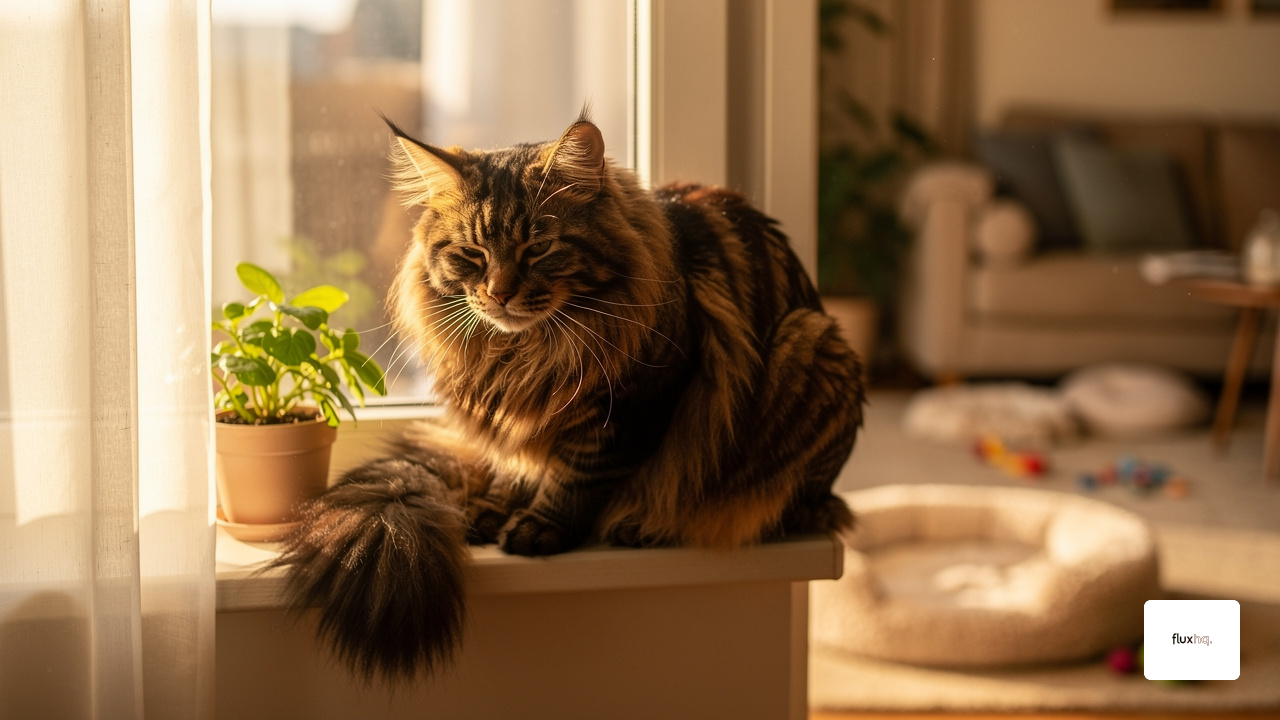
Introduction
For millennia, cats have enchanted humans, transitioning from fierce hunters to beloved companions. Understanding their unique traits, rich history, and diverse breeds not only enhances the bond between humans and felines but also highlights the responsibilities that accompany cat ownership. With numerous breeds and behaviours to consider, how can prospective owners select the feline friend that best suits their lifestyle and needs?
Define the Cat: Characteristics and Species
Cats, or Felis catus, are not merely pets; they are complex creatures with specific needs that require our attention and understanding. These small, carnivorous mammals belong to the family Felidae and are characterised by their retractable claws, acute senses, and strong, flexible bodies. Household felines typically weigh between 8 to 12 pounds, with 15 pounds regarded as excessive for most of these animals. Their diverse coat colours and patterns enhance their appeal as beloved pets across the globe.
Recent studies indicate that male felines tend to be larger than females, particularly if they reach full maturity before being neutered. This size difference is significant for comprehending the care requirements of a domestic cat. Furthermore, veterinarians suggest regular observation of a cat's weight, as fluctuations can signify underlying medical concerns. Ideally, a cat should have a Body Condition Score of 4 to 5, which reflects a healthy weight. Without regular veterinary visits and weight monitoring, a cat's health may deteriorate unnoticed.
Cats possess remarkable adaptations for hunting, including keen night vision and excellent hearing. Their ecological impact is significant, as they prey on over 2,000 different species, raising concerns about their effects on local wildlife. Neglecting these responsibilities can lead to health issues for the cat and detrimental effects on local wildlife. This underscores the need for responsible ownership and a thorough understanding of various breeds to safeguard their well-being and protect the environment. As feline ownership continues to increase, education on proper care and wellness management remains essential for nurturing a positive relationship between these animals and their owners. Ultimately, the responsibility of cat ownership extends beyond the home, impacting both the animal's health and the local ecosystem.

Trace the History: Domestication and Cultural Significance
The domestication of felines, a process that began around 10,000 to 12,000 years ago, reveals a fascinating interplay between human agricultural practices and the natural instincts of these animals. As humans established themselves and began agriculture, they faced the challenge of managing pests attracted to their grain reserves. This led to a mutually beneficial relationship, where felines provided pest control in exchange for food and shelter.
Archaeological evidence indicates that the initial signs of humans and felines cohabiting date back approximately 9,500 years. In ancient Egypt, felines were revered and associated with deities such as Bastet, symbolising fertility and protection. They were often mummified and adorned with jewellery, highlighting their importance in society.
Their cultural significance has endured through the ages, with felines remaining prominent in art, literature, and folklore throughout various civilisations. Recent studies have traced the introduction of domestic felines to Europe from North Africa approximately 2,000 years ago, during the early Roman imperial era, underscoring the complex nature of their domestication and the significant role they played in human societies throughout history.

Explore Key Traits: Behavior, Personality, and Care Needs
Cats possess a diverse array of behaviours and personality traits that significantly influence their interactions with humans and their environment. These traits can be categorised into five main characteristics:
- Neuroticism
- Extraversion
- Dominance
- Impulsiveness
- Tolerance
For instance, extroverted felines are often sociable and playful, thriving on interaction and engagement; they require ample stimulation to avoid boredom. Recognising these traits is vital for offering suitable care, such as socialisation, playtime, and enriching environments. This is illustrated in the case analysis 'Enriching an Extroverted Feline's Life,' which demonstrates how enrichment activities can greatly improve an extroverted cat's well-being.
However, if a cat is unusually inactive or disinterested, it may signal a health concern that warrants professional evaluation. This is emphasised in the case analysis 'Addressing Low Activity and Curiosity in Cats,' which highlights the importance of seeking veterinary advice when a cat shows signs of lethargy, ensuring timely intervention and care.
Moreover, managing dominant felines requires careful consideration, as introducing new pets can lead to stress and conflict. The case study 'Managing a Dominant Cat' emphasises the need to avoid introducing new cats into the household to maintain harmony.
Ultimately, recognising and responding to a cat's unique personality is essential for fostering a harmonious relationship. Providing a balanced diet, regular veterinary check-ups, and mental stimulation tailored to each cat's personality traits is crucial for their health and happiness in a domestic environment. As Eckhart Tolle wisely noted, "The key to a successful new relationship between a cat and human is patience.

Examine Breeds: Diversity in Appearance and Temperament
With over 70 recognised cat breeds, prospective owners are challenged to select a companion that suits their lifestyle and preferences. Take the Maine Coon, for example; its impressive size and friendly nature make it a popular choice among families. In contrast, the Siamese cat stands out for its vocal and social nature, often seeking interaction with its owners. The Persian variety is characterised by its long, luxurious fur and calm demeanour, making it a serene companion. Meanwhile, the Bengal cat is recognised for its energetic and playful behaviour, appealing to those who enjoy an active pet. Recognising these differences helps prospective cat owners to select a breed that fits their lifestyle and preferences. Notably, 25% of the UK population owns pet cats, indicating a strong affection for feline companions.
Case studies highlight the following:
- The Abyssinian's vibrant energy and curiosity, making it a delightful addition to any home.
- The British Shorthair's gentle and loyal nature, along with its dense coat, has endeared it to many households worldwide.
- The Devon Rex, recognised for its loving disposition and playful character, has become the most popular shorthaired type in recent years.
This diversity highlights the rich variety of cat breeds, which cater to various preferences and living situations. Ultimately, the right breed can transform a household, fostering joy and companionship for years to come.

Conclusion
Cats embody a complexity that transcends mere companionship, demanding a nuanced understanding of their needs and traits. Understanding their characteristics and cultural significance highlights the profound bond we share with felines, emphasising the importance of responsible ownership and awareness of their needs.
This article has illuminated the physical and behavioural traits of cats, tracing their journey from wild hunters to beloved companions, while showcasing the diverse breeds available to prospective owners. Recognising these aspects not only enhances the relationship between cats and their owners but also underscores the ecological responsibilities that accompany cat ownership. However, many owners overlook the essential needs of their cats, leading to potential health issues. Regular veterinary care, attention to dietary requirements, and the provision of stimulating environments are crucial for ensuring the well-being of these remarkable animals.
This understanding not only enriches the lives of cats but also enhances the joy of companionship for their owners. As the bond between cats and humans continues to evolve, prioritising education and responsible practices is not merely beneficial; it is essential for nurturing a thriving relationship with our feline companions.
Frequently Asked Questions
What are the main characteristics of domestic cats?
Domestic cats, or Felis catus, are small, carnivorous mammals characterized by retractable claws, acute senses, and strong, flexible bodies. They typically weigh between 8 to 12 pounds, with 15 pounds considered excessive.
How do male and female cats differ in size?
Male cats tend to be larger than female cats, especially if they reach full maturity before being neutered. This size difference is important for understanding their care requirements.
Why is monitoring a cat's weight important?
Regular observation of a cat's weight is crucial because fluctuations can indicate underlying medical concerns. A healthy cat should ideally have a Body Condition Score of 4 to 5.
What adaptations do cats have for hunting?
Cats possess remarkable adaptations for hunting, including keen night vision and excellent hearing, which enhance their ability to catch prey.
What ecological impact do cats have?
Cats prey on over 2,000 different species, which raises concerns about their effects on local wildlife. Responsible ownership is essential to mitigate these impacts.
What is the importance of responsible cat ownership?
Responsible cat ownership involves understanding the needs of various breeds and ensuring proper care, which is vital for the cat's health and the protection of the local ecosystem.
Why is education on cat care important?
As feline ownership increases, education on proper care and wellness management is essential for nurturing a positive relationship between cats and their owners, as well as safeguarding the environment.
List of Sources
- Define the Cat: Characteristics and Species
- Meet the Adorable and Tiny Tilcayo, the First Brand-New Cat Species Identified in More Than a Century (https://smithsonianmag.com/smart-news/meet-the-adorable-and-tiny-tilcayo-the-first-brand-new-cat-species-identified-in-more-than-a-century-180989528)
- What’s the Average Healthy Cat Weight? | PetMD (https://petmd.com/cat/general-health/average-weight-cats)
- CATS Report 2025 | CATS Report | Cats Protection (https://cats.org.uk/about-cp/cats-report)
- New cat species identified for first time in more than a century in Bolivia (https://theguardian.com/world/2026/sep/17/new-cat-species-identified-bolivia)
- Trace the History: Domestication and Cultural Significance
- The History of the Domestic Cat (https://alleycat.org/resources/the-natural-history-of-the-cat)
- Domestic cats reached Europe far more recently than previously thought, study finds (https://npr.org/2025/11/28/nx-s1-5619829/domestic-cats-reached-europe-far-more-recently-than-previously-thought-study-finds)
- DNA study changes long-held theory of when cats were domesticated (https://independent.co.uk/news/science/cats-domestication-dna-europe-roman-era-b2874281.html)
- Unraveling the History of the Domestic Cat - Cat Tree UK (https://cattree.uk/unraveling-the-history-of-the-domestic-cat)
- Genome study reveals milestone in history of cat domestication (https://reuters.com/science/genome-study-reveals-milestone-history-cat-domestication-2025-11-27)
- Explore Key Traits: Behavior, Personality, and Care Needs
- A Cat's Personality (https://four-paws.org/our-stories/publications-guides/a-cats-personality)
- 40 Cat Quotes That Are Brutally True (https://diaryofdennis.com/2014/10/04/40-cat-quotes-that-are-brutally-true)
- Examine Breeds: Diversity in Appearance and Temperament
- Most Popular Breeds for 2026 - The Cat Fanciers' Association (https://cfa.org/cat-talk/most-popular-breeds-for-2026)
- Most Popular Breeds for 2025 - The Cat Fanciers' Association (https://cfa.org/cat-talk/most-popular-breeds-for-2024)
- UK's 10 Most Popular Cat Breeds | Lifetime Pet Cover (https://lifetimepetcover.co.uk/pet-advice/news/uks-10-most-popular-cat-breeds)
- Best Cat Breeds UK 2026: Top 10 Ranked | The Pets Larder (https://thepetslarder.co.uk/blogs/journal/the-top-ten-cat-breeds-in-the-uk?srsltid=AU7gw4Vml_j80qTc5FFI2kMPqC-99l6ZIeqRb1c2seWkVxEuqucEuXiU)
More Articles
Back to Industry Knowledge
Secure Office Space in St James's Park: A Step-by-Step Guide
Discover how to secure office space in St James's Park with our comprehensive step-by-step guide.

Secure Your Office Space in St Pancras: A Step-by-Step Guide
Discover essential steps to secure your ideal office space in St Pancras efficiently.

Master Office Space in Tower Hill: Key Practices for Startups
Discover essential strategies for securing office space in Tower Hill for startups.

