
5 Best Practices to Minimize Your Office Move Costs
Discover essential strategies to effectively manage and reduce your office move cost.
Introduction
Navigating the financial complexities of an office relocation is crucial for maintaining a balanced budget. This article delves into five best practices that can significantly reduce costs during an office move, from identifying key expenses to negotiating contracts with moving services. Hidden costs can arise unexpectedly, complicating the financial planning of an office relocation. To navigate these challenges effectively, businesses must adopt strategic practices that mitigate risks.
Identify Key Cost Factors in Office Relocation
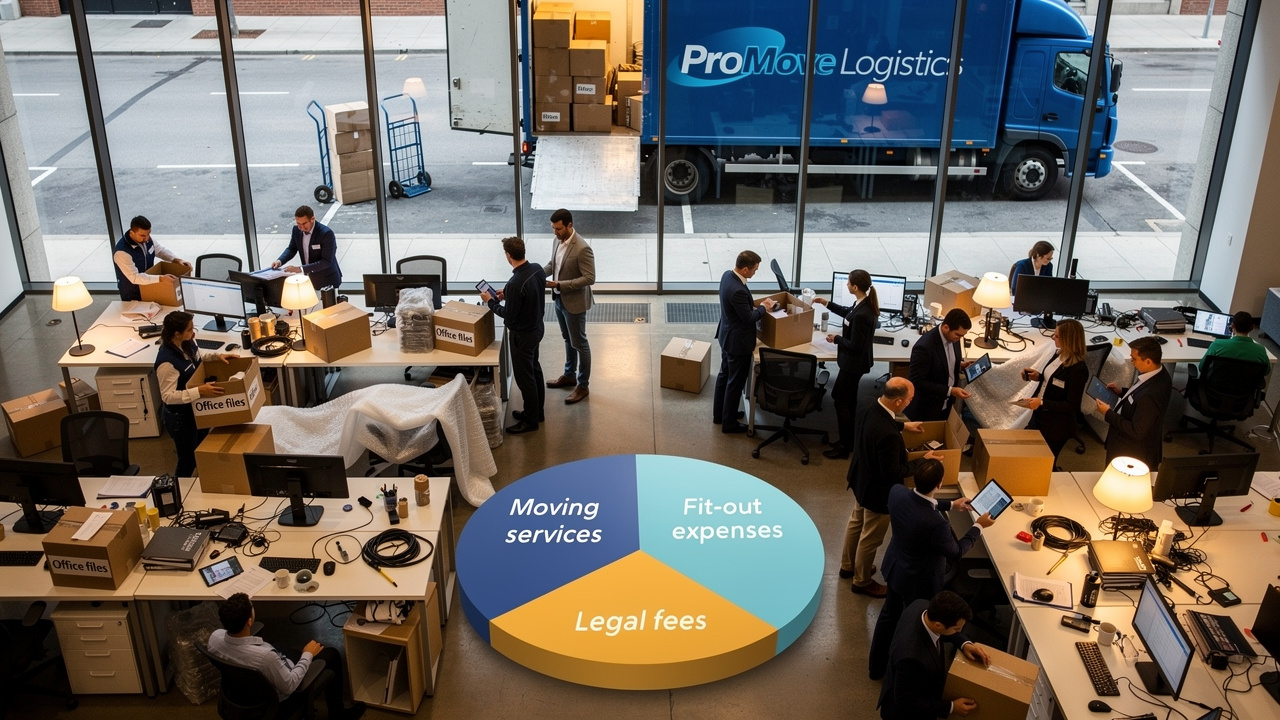
Understanding the key financial components of an office move cost is crucial for effective budget management. The primary financial elements to consider include:
- Moving Services: Costs associated with hiring professional movers encompass packing, transportation, and unpacking. The office move cost typically accounts for 15 to 25% of the overall expense of a relocation, with the remainder allocated to IT, legal charges, dilapidations, fit-out contributions, signage, and storage.
As you consider the moving services, it is also vital to account for potential office move costs, including fit-out expenses, which can escalate quickly. High-range office fit-out expenses vary from £2,500 to £3,000 per person, while mid-range expenses lie between £1,500 and £2,500 per person. Budgeting for design and construction services is essential to avoid unexpected office move costs.
Legal fees are another unavoidable aspect, as the office move cost can vary significantly based on the complexity of the lease when engaging a solicitor for lease negotiations or compliance. Allocate around £1,500 to £5,000 for a commercial solicitor to examine a standard lease, as the office move cost may increase for more intricate agreements.
Furthermore, the office move cost, which includes technology setup expenses for IT infrastructure and equipment installation, is often overlooked but can significantly impact your budget. The office move cost for IT relocation expenses can vary from £500 to more than £8,000, depending on the office size and infrastructure. Ensure to consider the office move cost, which encompasses the expenses of disconnecting, packing, transporting, and reconnecting IT equipment.
Thus, it is essential to plan for a seamless transition to minimize downtime and the office move cost associated with it. The average downtime expense, which can be considered an office move cost for a 50-person firm, is around £1,700 per hour at full impairment, making it crucial to prepare adequately.
To improve your budget management, consider using Flux HQ's innovative workspace and expense calculators. These tools provide tailored insights into average costs and space requirements for your industry, helping you prioritise spending and explore cost-saving opportunities. By addressing these financial elements, businesses can mitigate risks and ensure a smoother transition during the office move cost.

Develop a Comprehensive Moving Budget and Timeline
A successful relocation hinges on the meticulous development of a comprehensive moving budget and timeline. Here’s how to approach it:
- Budget Breakdown: Identify all expected expenses, including the office move cost, moving services, fit-out charges, legal fees, and technology setup. Allocate a contingency fund of 10-20% to cover unexpected expenses, as the office move cost often includes unforeseen costs.
- Timeline Creation: Establish a timeline that outlines key milestones, such as when to start packing, notify employees, and schedule the move. Starting the planning process at least 3-6 months in advance is crucial, as legal negotiations and landlord approvals can take longer than expected.
- Regular Reviews: Periodically assess and modify your financial plan and timeline to accommodate any changes or unforeseen circumstances. This practice aids in recognising possible financial overruns and evaluating the effect of delays on expenses, ensuring that the project stays on course. Neglecting to review your plans can lead to financial overruns and operational setbacks, jeopardising the entire relocation process.
- Communication: Keep all stakeholders informed about the budget and timeline to ensure alignment and awareness of responsibilities. Clear communication can significantly reduce stress and enhance efficiency during the moving process.
Ultimately, thorough preparation not only streamlines the moving process but also safeguards against potential pitfalls that could arise during the transition. For instance, companies that engaged legal experts during their planning phase reported smoother transitions and fewer legal complications, highlighting the importance of thorough preparation.

Select Cost-Effective Moving Services and Negotiate Contracts
Effective negotiation and careful selection of moving services are crucial for achieving significant cost savings during relocations. Here are some best practices to consider:
- Research Multiple Vendors: Gather quotes from various moving companies to compare prices and services. For instance, the average price for local 2-bed removals in London varies from £620 to £990. Pay attention to reviews and testimonials to assess reliability and customer satisfaction.
- Negotiate Terms: Don’t shy away from negotiating contract terms, including pricing, service inclusions, and payment schedules. Ask about reductions for combined services or relocating during non-peak periods, which can lead to lower overall costs. Seasonal price variations can influence relocation expenses by as much as 16% during peak months, so timing your relocation can be advantageous.
- Consider DIY Options: For smaller relocations, evaluate the possibility of managing certain aspects in-house, such as packing or transporting smaller items, to reduce overall expenses. Yet, it's important to keep an eye on the hidden costs that can come with DIY relocations, such as fuel and insurance waivers, which can sometimes surpass the cost of professional services.
- Evaluate Insurance Options: Understand the insurance coverage offered by the moving company and consider additional coverage if necessary to safeguard valuable assets during the move. Professional movers often provide better value when considering hidden DIY expenses.
- Be Aware of Common Pitfalls: Watch out for red flags when selecting moving companies, such as low estimates without inventory information or companies that require large deposits upfront. Relying on friend-labour can also introduce risks due to a lack of professional training.
By being vigilant and strategic, companies can avoid unnecessary costs and ensure a seamless transition to their new workspace.

Account for Hidden Costs and Downtime
Unforeseen costs can derail even the best-planned budgets for office move cost. Here’s how to account for them:
- Identify Common Hidden Costs: These may include utility setup fees, deposits for new office space, and costs associated with employee downtime during the move. For example, a single day of downtime in a business with 30 employees could cost between £5,000 and £15,000. This underscores the need for meticulous planning to manage the office move cost.
- Plan for Downtime: Estimate the potential loss of productivity during the transition and factor this into your budget. Planning the relocation during off-peak times can lessen disruption, as most business moves should ideally take place from Friday evening through Monday morning to decrease operational impact.
- Communicate with Employees: How can effective communication prevent disruptions? Informing your team about the moving process and any anticipated downtime is essential for managing expectations and keeping morale high during the transition. Effective communication is key, as most disruptions during the office move cost stem from confusion among staff.
- Review Contracts Carefully: Ensure that all agreements with service providers clearly outline expenses and responsibilities to avoid unexpected charges. Hiring a professional relocation service can greatly minimize downtime and assist in clarifying the office move cost, which helps prevent unexpected expenses from disrupting your budget.
Neglecting these factors could jeopardise your company's financial stability in a competitive market.

Evaluate and Optimize Post-Move Office Setup
Following a workplace relocation, it is imperative to optimise the new setup to enhance both efficiency and employee satisfaction. Here are key best practices to consider:
- Assess Space Utilisation: Leverage modern monitoring solutions to track how the new office space is utilised. Gather employee feedback to identify areas for improvement and understand their preferences. This statistic highlights the pressing need for effective space management strategies, as average workspace utilisation in 2026 reached 53%.
- Implement Ergonomic Solutions: Invest in ergonomic furniture and equipment to enhance comfort and productivity. Ergonomic workspaces can significantly reduce absenteeism and improve morale, as employees in optimised environments report higher job satisfaction.
- Create Collaborative Spaces: Designate specific areas for teamwork and collaboration, such as meeting rooms and breakout zones. These spaces foster communication and creativity, essential for a thriving workplace culture. Flux HQ can assist in designing these spaces to reflect your brand and operational needs.
- Monitor and Adjust: Regularly review the office layout with the help of Flux HQ’s post-move support services. They can provide insights and adjustments as needed to ensure the workspace continues to meet the evolving needs of the business and its workforce.
By prioritising these practices, businesses can create a workspace that not only meets operational goals but also enhances employee satisfaction and engagement.

Conclusion
A successful office move hinges on strategic planning and a thorough understanding of associated costs. To minimise office move costs, one must adopt a strategic approach that involves meticulous planning and budgeting. A comprehensive moving budget and timeline are essential, as they lay the groundwork for a successful transition.
Key insights from the article highlight the necessity of identifying cost factors such as:
- Moving services
- Legal fees
- Technology setup expenses
Additionally, developing a detailed budget that includes a contingency fund and maintaining open communication with all stakeholders are crucial steps in ensuring a smooth relocation process. Furthermore, selecting cost-effective moving services and being aware of hidden costs can significantly impact the overall budget.
The success of an office move relies on both minimising costs and optimising the new workspace to boost productivity and employee satisfaction. By implementing best practices for post-move setup, businesses can create an environment that fosters collaboration and efficiency. By prioritising both cost management and workspace optimisation, organisations can ensure a seamless transition that supports their long-term objectives.
Frequently Asked Questions
What are the key cost factors to consider in an office relocation?
The key cost factors include moving services, fit-out expenses, legal fees, technology setup costs, and potential downtime expenses.
How much do moving services typically cost in an office relocation?
Moving services usually account for 15 to 25% of the overall relocation expense, which includes packing, transportation, and unpacking.
What are the estimated costs for office fit-out expenses?
High-range office fit-out expenses vary from £2,500 to £3,000 per person, while mid-range expenses range from £1,500 to £2,500 per person.
What should be budgeted for legal fees during an office move?
Legal fees can vary significantly based on lease complexity, with costs typically ranging from £1,500 to £5,000 for a commercial solicitor to examine a standard lease.
How much can technology setup expenses impact the office move cost?
IT relocation expenses can range from £500 to more than £8,000, depending on the office size and infrastructure.
What is the average downtime expense for a 50-person firm during an office move?
The average downtime expense is around £1,700 per hour at full impairment.
How can businesses improve their budget management during an office relocation?
Businesses can use tools like Flux HQ's workspace and expense calculators to gain insights into average costs and space requirements, helping prioritize spending and explore cost-saving opportunities.
What steps should be taken to develop a comprehensive moving budget?
Identify all expected expenses, allocate a contingency fund of 10-20% for unexpected costs, and regularly review the financial plan.
How far in advance should the moving timeline be established?
It is crucial to start the planning process at least 3-6 months in advance to accommodate legal negotiations and landlord approvals.
Why is communication important during the office relocation process?
Keeping all stakeholders informed about the budget and timeline ensures alignment and awareness of responsibilities, reducing stress and enhancing efficiency.
List of Sources
- Identify Key Cost Factors in Office Relocation
- The Hidden Costs of an Office Move: A... | Cloudswitched (https://cloudswitched.com/blog/hidden-costs-office-move-it-relocation-budget-uk-2026)
- The Ultimate Guide to Office Relocation - The Cost of Moving | Flex IT (https://flex.co.uk/news-insights/ultimate-guide-office-relocation-cost-moving)
- Cushman & Wakefield | Commercial Real Estate Brokers & Services | Cushman & Wakefield (https://cushmanwakefield.com/en/insights/office-fit-out-cost-guide)
- Office Move Costs: Get a Transparent Quote Today (https://bestwayrelocation.co.uk/office-move-cost)
- Employer News:Are offices becoming too expensive for UK businesses in 2026? (https://employernews.co.uk/news/are-offices-becoming-too-expensive-for-uk-businesses-in-2026)
- Develop a Comprehensive Moving Budget and Timeline
- Office Relocation Timeline: When Should You Start Planning? - Stoneway (https://stoneway-re.com/expert-hub/office-relocation-timeline-when-should-you-start-planning)
- 5 Additional Costs You Should Consider When Moving Office | Hubble (https://hubblehq.com/blog/additional-costs-when-moving-office)
- Budget for Office Move | Top 5 Tips for an Office Relocation (https://axiomworkplaces.com.au/blog/our-insight/top-5-tips-budgeting-office-move)
- The Ultimate Guide to Office Relocation - The Cost of Moving | Flex IT (https://flex.co.uk/news-insights/ultimate-guide-office-relocation-cost-moving)
- Office Moving Planning: Timeline, Budget & Execution Guide (https://dsmovers.co.uk/blog/office-moving-planning-timeline-budget-execution-tips)
- Select Cost-Effective Moving Services and Negotiate Contracts
- 6 Best Cheap Moving Companies of 2026 (https://realestate.usnews.com/home-services/moving/cheap-moving-companies)
- UK Moving & Removals Statistics 2026 (https://movingcost.co.uk/stats/uk-moving-statistics-2026)
- Average Removal Company Costs UK 2026: The Complete Pricing Guide (https://goldfishremovals.co.uk/post/average-removal-company-costs-uk-2026-the-complete-pricing-guide-1)
- SmartMoving Releases 2026 State of Moving Report Based on Data from 450+ Moving Companies Across the U.S. and Canada (https://businesswire.com/news/home/20260224832056/en/SmartMoving-Releases-2026-State-of-Moving-Report-Based-on-Data-from-450-Moving-Companies-Across-the-U.S.-and-Canada)
- The USA moving market in 2026 - Omni (https://omnimoving.com/news/usa-moving-market-2026)
- Account for Hidden Costs and Downtime
- Minimising Downtime during Office Relocation | Ede's (https://edes.com/news/minimising-downtime-during-an-office-move)
- Minimising Office Relocation Downtime: A Practical Guide (https://craigatkinsonremovals.com/help-and-advice/commercial-office-removals/office-relocation-downtime)
- Top Strategies To Minimise Downtime When Moving Offices (https://advanced-removals.co.uk/minimise-downtime-when-moving-offices)
- Effective Strategies to Minimize Downtime During Office Relocation (https://crownworkspace.com/id/knowledge-base/minimize-downtime-during-office-relocation)
- The Hidden Costs of a Poorly Planned Office Move and How to Avoid Them - Johnsons Business Moves (https://johnsonsbusinessmoves.co.uk/featured/the-hidden-costs-of-a-poorly-planned-office-move-and-how-to-avoid-them)
- Evaluate and Optimize Post-Move Office Setup
- The Importance of Ergonomics in The Workplace | ScaleHub News (https://scalehub-offices.com/news/the-importance-of-ergonomics-in-the-workplace)
- Space Planning an Office Move for Wellbeing | Ede's Business Removals (https://edes.com/news/workplace-wellness-incorporating-ergonomics-and-design-in-your-new-office-space)
- 5 Office Space Utilization Metrics for a Better Workplace in 2026 (https://hubstar.com/blog/office-space-utilization-metrics-2026)
- 2026 Guide on Office Space Utilization Analytics (https://yoffix.com/resources/guides/how-to-optimize-office-space)
More Articles
Back to Industry Knowledge
107 Cheapside London EC2V 6DN: A Verification-First Shortlist Guide
Assess 107 Cheapside London EC2V 6DN with a verification-first checklist for availability, costs, facilities, access and terms.

Should Great Portland Street Be on Your London Office Shortlist?
Assess Great Portland Street London for your office shortlist with dated area evidence, workspace checks and lease questions.

Office Fit-Out Services in the UK: A Readiness Guide for Growing Businesses
Learn how UK office fit-out services can turn headcount, space, budget and growth plans into a provider-ready brief.

