
Understanding Dilapidation Meaning: Key Insights for Business Owners
Discover the dilapidation meaning and its impact on business owners in commercial leases.
Introduction
Navigating the complexities of commercial leases can be daunting, particularly when it comes to understanding dilapidation. This term encapsulates tenants' responsibilities for property maintenance. Misunderstanding it can result in unexpected costs that strain business finances. This mismanagement can lead to disputes that disrupt business operations.
How can owners effectively manage their obligations to avoid these costly disputes and ensure a smooth transition at the end of their lease?
Define Dilapidation: Understanding Its Core Meaning
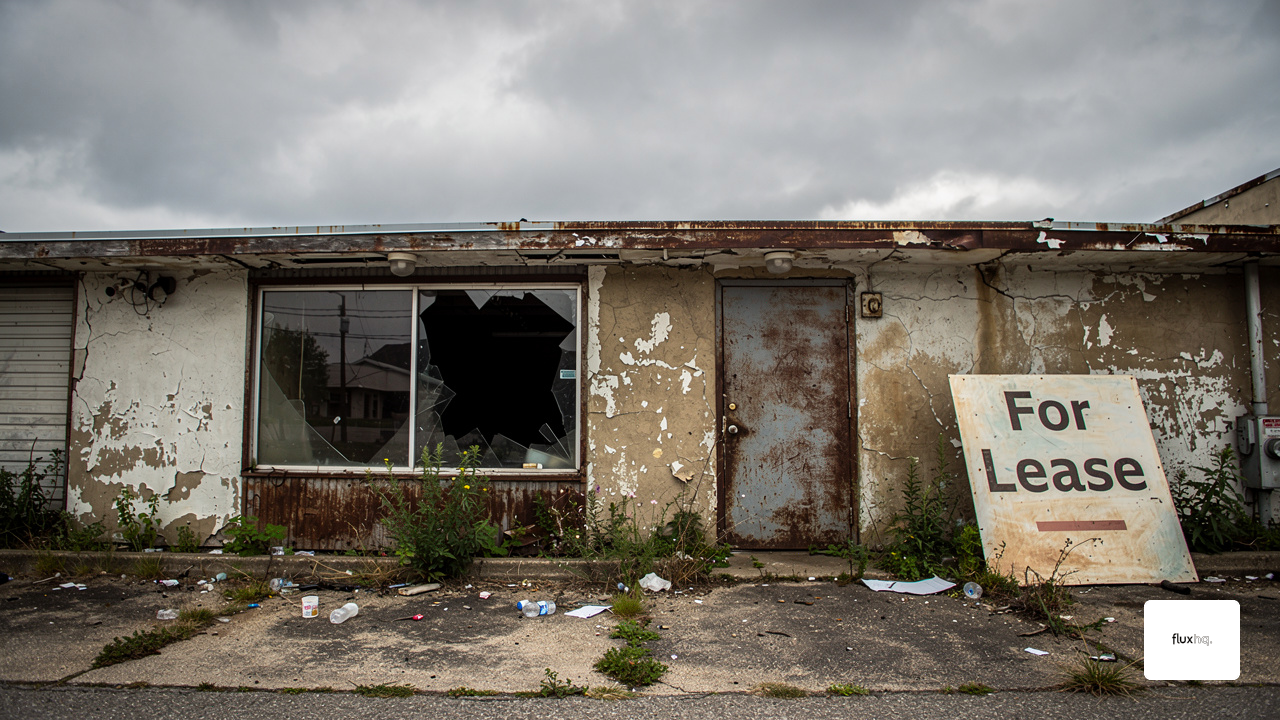
The term dilapidation meaning signifies a critical concern for tenants, arising from their failure to maintain properties as stipulated in rental agreements. Such conditions may include:
- Structural damage
- Neglect
- Insufficient maintenance
Each of these can lead to significant issues for tenants. In legal terms, disrepair often results in claims by landlords against tenants for the costs associated with restoring the premises to their original state at the conclusion of a rental agreement.
For business owners, grasping the dilapidation meaning is essential, as it influences their responsibilities and liabilities in commercial leases. In competitive markets such as London, deterioration claims can amount to tens of thousands of pounds, particularly for commercial real estate.
Landlords possess the right to serve a schedule of dilapidations during the final six months of the rental term, detailing necessary repairs and associated costs. Neglecting to fulfil these responsibilities can lead to unexpected financial burdens, underscoring the importance of proactive property management.
Tenants should review their rental obligations at least 6-12 months prior to the end date to avoid unforeseen expenses. Participating in a pre-lease-end survey can help identify potential issues early, allowing residents to address repairs and avoid inflated claims from landlords.
Understanding the dilapidation meaning is crucial for managing the intricacies of commercial leases and ensuring adherence to lease conditions, ultimately safeguarding businesses from unforeseen costs and conflicts.
The legal structure regulating property disrepair is detailed in the Landlord and Tenant Act 1927, which establishes the foundation for landlords to assert claims against renters for violations of their maintenance responsibilities.

Contextualize Dilapidation: Importance for Business Owners
For business owners, understanding dilapidation is not merely beneficial; it is essential for safeguarding financial stability and operational integrity. When entering into an agreement, tenants must be acutely aware of their responsibilities regarding maintenance and repairs. Failing to meet these obligations can result in costly disputes with landlords, particularly at the conclusion of the lease when tenants are expected to return the property to its original condition.
Recent data reveals that between June 2024 and May 2025, one in 189 businesses faced insolvency, highlighting the significant financial burden that unresolved dilapidation can create. Legal claims arising from disputes over deterioration can lead to additional expenses and damage a business's reputation. Thus, proactively addressing deterioration issues is essential for maintaining a positive landlord-tenant relationship and facilitating smooth transitions at the end of contracts.
Engaging a property condition surveyor 12 to 18 months prior to lease expiration can aid tenants in navigating these complexities, allowing them to plan their finances effectively and mitigate risks associated with potential claims. Furthermore, understanding the legal protections under the Landlord and Tenant Act 1927, which limits damages for disrepair to the actual loss incurred by the landlord, is vital for tenants to defend against excessive claims.
In an era of rising construction costs, being well-informed and prepared is paramount to mitigating risks associated with dilapidation claims.

Trace the Origin of Dilapidation: Historical Insights
Understanding the concept of dilapidation is essential for navigating the complexities of real estate law and rental contracts. The term 'dilapidation' originates from the Latin word 'dilapidare,' which translates to 'to squander' or 'to waste.' This etymology highlights the legal principle that renters hold the responsibility for keeping the premises in good condition throughout the lease term.
Over time, various legal frameworks have been established to clarify and enforce renter responsibilities regarding property maintenance, including the pivotal Landlord and Tenant Act 1927. Historical trends indicate that deterioration claims have evolved significantly, often reflecting broader changes in property law and market conditions.
Significantly, case studies demonstrate how courts have understood deterioration responsibilities, influencing the expectations of both property owners and renters. For instance, the Court of Appeal's ruling in Gill v Lees emphasised that a tenant's poor compliance record could negatively impact their chances of lease renewal, illustrating the importance of timely addressing repair obligations.
Ultimately, a firm grasp of these historical insights can empower renters to manage their obligations and avoid disputes effectively.

Identify Key Characteristics of Dilapidation: Components and Implications
Deterioration in commercial real estate can lead to significant financial liabilities if not addressed promptly. Key features of this deterioration include:
- Structural disrepair
- Failure to maintain fixtures
- Neglect of statutory compliance obligations
Structural disrepair refers to any physical damage to the building, such as cracks in walls or leaks in the roof, which can severely compromise the property's integrity. For instance, a condition assessment could reveal serious structural issues that, if neglected, may lead to costly repairs.
Failure to maintain fixtures encompasses the occupant's responsibility to repair or replace essential items like heating systems, plumbing, or electrical installations. Ignoring these responsibilities can lead to significant deterioration claims, particularly in properties where such systems are vital for operational efficiency.
Moreover, tenants are required to meet legal obligations, such as health and safety standards, as neglecting these can lead to claims related to dilapidation meaning. For example, a failure to adhere to fire safety standards could result in substantial liabilities at the conclusion of the agreement.
Understanding these components is vital for business owners, as they highlight specific areas where tenants may incur liabilities. Consistent property upkeep is crucial to prevent expensive disagreements at the conclusion of a lease, with research indicating that repair costs for smaller commercial units can reach the low thousands, whereas larger properties may face expenses in the tens of thousands of pounds.
Involving surveyors or legal specialists early in the deterioration evaluation process can provide clarity on responsibilities and assist in managing the intricacies of claims. Furthermore, tenants have a critical 56-day response period after a terminal schedule is served, emphasising the urgency of addressing dilapidation meaning claims. Proactive engagement in property maintenance not only safeguards against potential liabilities but also preserves the asset's value over time.

Conclusion
For business owners navigating commercial leases, comprehending dilapidation is essential to avoid potential pitfalls. It encapsulates the responsibilities tenants have regarding property maintenance and the potential financial repercussions of neglecting these duties. By comprehending dilapidation, business owners can avert unforeseen expenses and legal conflicts that may arise at the end of their lease agreements.
This article has underscored critical insights, such as the necessity of proactive property management, the importance of conducting pre-lease-end surveys, and the historical context of dilapidation laws. The discussion emphasises that neglecting maintenance can result in costly liabilities that threaten business viability, particularly in competitive markets where deterioration claims can escalate quickly. Engaging with property condition surveyors and understanding legal frameworks, such as the Landlord and Tenant Act 1927, are crucial steps for tenants to mitigate risks.
Ultimately, understanding dilapidation safeguards financial stability and fosters positive landlord-tenant relationships. Business owners should prioritise property upkeep and remain vigilant about their lease obligations. By doing so, they can ensure a smoother transition at the end of their lease and protect their business interests in the long run.
Frequently Asked Questions
What does the term "dilapidation" refer to in the context of rental agreements?
Dilapidation refers to the failure of tenants to maintain properties as stipulated in rental agreements, which can include structural damage, neglect, and insufficient maintenance.
What are the potential consequences of dilapidation for tenants?
Tenants may face claims from landlords for the costs associated with restoring the premises to their original state at the end of a rental agreement due to disrepair.
Why is understanding dilapidation important for business owners?
Understanding dilapidation is essential for business owners as it influences their responsibilities and liabilities in commercial leases, particularly in competitive markets where deterioration claims can be substantial.
When can landlords serve a schedule of dilapidations?
Landlords can serve a schedule of dilapidations during the final six months of the rental term, detailing necessary repairs and associated costs.
What can happen if tenants neglect their maintenance responsibilities?
Neglecting maintenance responsibilities can lead to unexpected financial burdens for tenants, emphasizing the importance of proactive property management.
How can tenants avoid unforeseen expenses related to dilapidation?
Tenants should review their rental obligations at least 6-12 months before the end date and consider participating in a pre-lease-end survey to identify potential issues early.
What legal framework governs property disrepair in the UK?
The legal structure regulating property disrepair is outlined in the Landlord and Tenant Act 1927, which establishes the foundation for landlords to assert claims against renters for maintenance violations.
List of Sources
- Define Dilapidation: Understanding Its Core Meaning
- Dilapidations and End-of-Lease Liabilities: Don’t Get Caught Out - Ison Harrison Solicitors (https://isonharrison.co.uk/blog/dilapidations-and-end-of-lease-liabilities-dont-get-caught-out)
- Landlords and dilapidations: what are your rights? | Bradley Mason (https://bradley-mason.com/news/landlords-and-dilapidations-what-are-your-rights)
- What are Dilapidations? A Complete Guide for Tenants and Landlords (https://ansteyhorne.co.uk/news/what-are-dilapidations)
- When Commercial tenants leave, the Dilapidations process needs careful handling (https://landlordzone.co.uk/news/dilapidations-in-commercial-property)
- What are commercial lease dilapidations? (https://wilsonsllp.com/news/what-are-commercial-lease-dilapidations)
- Contextualize Dilapidation: Importance for Business Owners
- Dilapidations claims at risk as tenant insolvency rises (https://charlesrussellspeechlys.com/en/insights/expert-insights/real-estate/2025/dilapidations-claims-at-risk-as-tenant-insolvency-rises)
- Dilapidations: the ongoing battle between landlord and tenant | LP News & Insights | Leathes Prior Solicitors (https://leathesprior.co.uk/news/dilapidations-the-ongoing-battle-between-landlord-and-tenant)
- How Tenants Can Handle Dilapidations in Commercial Property (https://whybrow.net/news/dilapidations-tenant-guide)
- Dilapidations demystified: accounting, tax and VAT implications (https://bhp.co.uk/news-events/blog/dilapidations-demystified-accounting-tax-and-vat-implications)
- Dilapidations — Laytons ETL (https://laytons.com/news/dilapidations)
- Trace the Origin of Dilapidation: Historical Insights
- Dilapidations in England and Wales (https://rics.org/consumer-guides/dilapidations-england-wales)
- Dilapidations Case Law Update – Gill v Lees (https://wgm-bc.co.uk/blogs/building_surveying_blogs/dilapidation_case_law_update.php)
- Understanding Section 18 of the Landlord and Tenant Act 1927 - Higgs LLP (https://higgsllp.co.uk/articles/understanding-section-18-of-the-landlord-and-tenant-act-1927)
- Dilapidations: UK Legal Obligations of Landlords and Tenants - RFM Group (https://rfm-group.com/dilapidations-uk-legal-obligations-of-landlords-and-tenants)
- Dilapidations Explained: What Commercial Tenants and Landlords Need to Know - Carter Bells (https://carterbells.co.uk/news/dilapidations-explained-what-commercial-tenants-and-landlords-need-to-know)
- Identify Key Characteristics of Dilapidation: Components and Implications
- Understanding Dilapidations: A Guide for Tenants and Landlords (https://rorymack.co.uk/news/posts/understanding-dilapidations-a-comprehensive-guide-for-tenants-and-landlords)
- Dilapidations guide - What landlords need to know (https://whybrow.net/news/what-are-dilapidations)
- Dilapidations in Commercial Property - Neath Raisbeck Golding Law (https://nrglaw.co.uk/dilapidations-commercial-property)
- What Are Dilapidations? A Guide for Landlords & Tenants | Poole Alcock (https://poolealcock.co.uk/insights/news/what-are-dilapidations-a-guide-for-commercial-landlords-and-tenants)
More Articles
Back to Industry Knowledge
Secure Office Space in St James's Park: A Step-by-Step Guide
Discover how to secure office space in St James's Park with our comprehensive step-by-step guide.

Secure Your Office Space in St Pancras: A Step-by-Step Guide
Discover essential steps to secure your ideal office space in St Pancras efficiently.

Master Office Space in Tower Hill: Key Practices for Startups
Discover essential strategies for securing office space in Tower Hill for startups.

