
Understanding Dilapidation: Causes, Implications, and Management Strategies

Explore the causes, implications, and management strategies of dilapidation in office leasing.
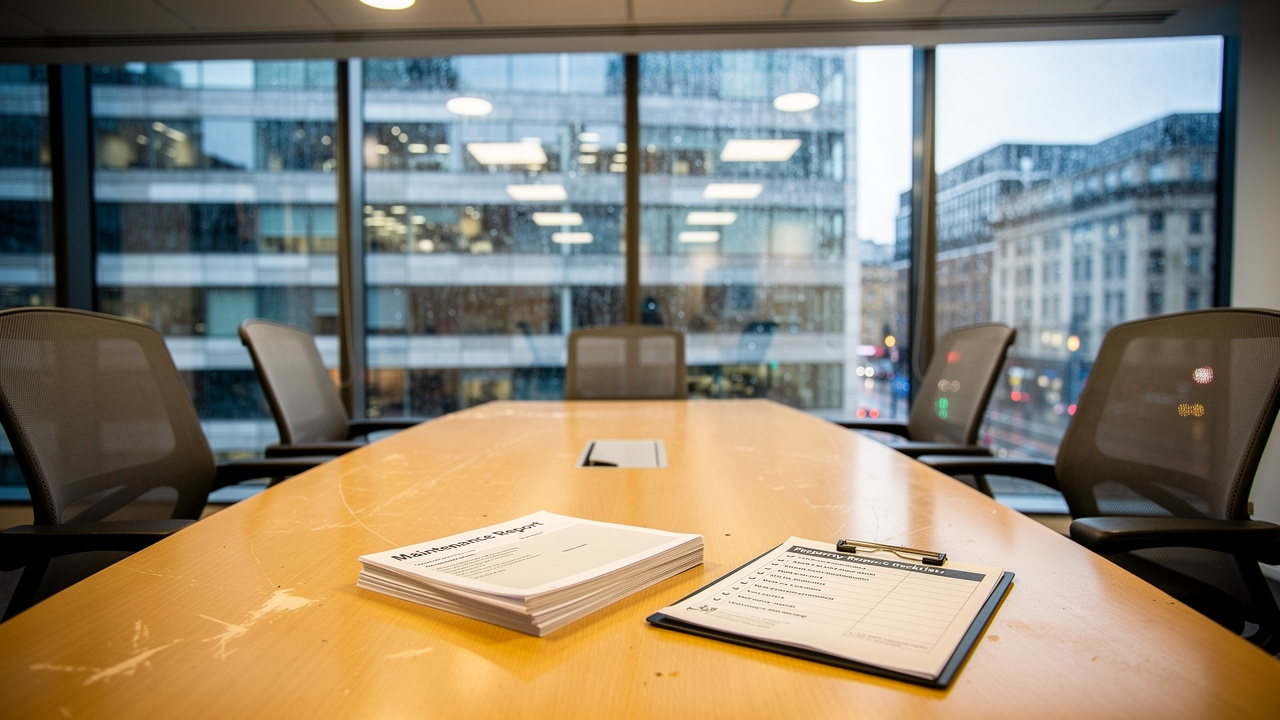
Navigating the complexities of dilapidation poses significant challenges for those involved in office leasing in London. Dilapidation refers to the deterioration and neglect of properties while tenants occupy them, which can lead to daunting financial and legal implications for both landlords and renters.

As stakes rise, tenants must manage their responsibilities and negotiate effectively to avoid potential claims. This article explores the causes and implications of dilapidation, along with management strategies to help readers protect their investments and maintain positive landlord-tenant relationships.

Defining Dilapidation in an Office Context

Understanding the consequences of dilapidation is crucial for both landlords and tenants in London's competitive office leasing market. Dilapidation refers to any damage or neglect that occurs during a tenant's occupancy, which includes structural issues and the failure to maintain the premises as specified in the rental agreement. This understanding is vital, as it directly influences rental negotiations and financial responsibilities at lease end. If a tenant neglects their maintenance responsibilities, they could encounter unforeseen financial burdens upon vacating the residence.

Initiating proactive management of asset damage 18 to 24 months prior to the lease conclusion assists occupants in clarifying their obligations and negotiating agreements effectively. Since property damage settlements typically occur within 3-6 months after the lease ends, taking prompt action is essential. According to Section 18(1) of the Landlord and Tenant Act 1927, compensation for disrepair claims is restricted to the decrease in the property owner's asset value, which can significantly restrict a tenant's financial liability. Thorough examination and discussion can frequently decrease initial claims by 30 to 60%, assisting tenants in evading exaggerated requests from landlords.

![This flowchart assists tenants through the steps they should take to handle damage to the premises and negotiate effectively as their lease concludes. Follow the arrows to see what actions to take and in what order.This flowchart guides renters through the steps they should take to manage damage and negotiate effectively as their lease comes to an end. Follow the arrows to see what actions to take and in what order.")

Identify Causes of Dilapidation

In a market as competitive as London’s, the consequences of neglecting property maintenance can result in dilapidation, which can be dire for both owners and tenants alike.

  • Neglecting maintenance can result in significant financial burdens for property owners and tenants due to the dilapidation of the properties. David French observes that 'Commercial real estate leases can be intricate, resulting in costly surprises for tenants at the conclusion of their lease because of disrepair.'
  • Environmental Factors: London’s climate, featuring rain, snow, and severe temperatures, can hasten the dilapidation of building materials, leading to decay. This funding underscores the critical need for ongoing infrastructure maintenance amid environmental challenges.
  • Usage Strain: High foot traffic and the use of heavy equipment can cause rapid dilapidation of flooring, walls, and other structural elements, particularly in busy areas like Shoreditch and Soho. This strain can lead to disagreements over property damage, as property owners may seek to recover costs associated with wear and tear.
    Buildings constructed with substandard materials or techniques may experience faster dilapidation, resulting in increased maintenance costs for landlords. Understanding these issues is crucial for tenants to avoid unexpected fees due to dilapidation at the conclusion of the rental term.
  • Modifications by Renters: Unapproved alterations, like taking down walls or adding new fixtures without appropriate restoration plans, can result in damage claims at the conclusion of a rental agreement. Landlords may strategically use dilapidation to gain leverage in rental negotiations, complicating the tenant's position.

Comprehending these causes is essential for both property owners and renters. By fostering a culture of proactive maintenance and open communication, both parties can mitigate risks and enhance their leasing experience.

Analyse Implications of Dilapidation

In the competitive landscape of London's office leasing market, the implications of property dilapidation can impose significant burdens on tenants:

  • Financial Liability: Tenants may incur substantial costs for repairs or reinstatement works necessary to restore the property to its original condition. Such expenses encompass not only the repairs but also potential legal fees arising from disputes over damage claims. For instance, smaller commercial spaces might encounter repair expenses in the low thousands, while larger buildings can see charges rise into tens of thousands of pounds. The financial implications of deterioration are influenced by the property's size, its condition upon lease termination, and the scope of necessary repairs.
  • Lease Negotiation Challenges: A thorough understanding of the consequences of deterioration is crucial during lease negotiations. Landlords often seek to incorporate stricter repair clauses to safeguard their interests, which can complicate negotiations for tenants. This is especially pertinent in regions such as Mayfair and Shoreditch, where real estate values are high and competition for sought-after spaces is intense. In recent years, the complexity of negotiating agreements related to dilapidation has increased.
  • Impact on Real Estate Value: Neglected buildings in a state of dilapidation can experience a decline in value, adversely affecting property owners' investments and renters' business activities. This is particularly relevant in London, where the commercial real estate market is robust, and maintaining high standards is essential for attracting and retaining tenants.
  • Legal Consequences: Failing to address deterioration issues can lead to legal disputes, potentially resulting in court proceedings and additional financial penalties. The legal framework governing claims for real estate disrepair allows owners to pursue repair costs and loss of rental revenue, making it crucial for tenants to be proactive in managing their obligations. Landlords may claim for rental voids if repairs need to be carried out before the unit can be re-let, emphasising the financial stakes involved.

Acknowledging these implications motivates tenants to oversee their residences proactively, tackling repairs swiftly to reduce disputes and cultivate positive connections with owners.

![This mindmap begins with the central concept of property deterioration implications and branches out into four key areas. Each branch symbolizes a distinct facet of how deterioration impacts tenants and owners, assisting you in understanding the relationships and significance of maintaining building conditions.

Implement Strategies to Manage Dilapidation

Neglecting property maintenance can result in costly disputes and deteriorating relationships between landlords and tenants. To effectively manage dilapidation, consider the following strategies:

  • Regular Inspections: Conduct routine inspections to identify and address maintenance issues before they escalate into significant problems. This proactive approach can save costs in the long run.
  • Maintain Open Communication: Foster a collaborative relationship between landlords and tenants to discuss maintenance responsibilities and address concerns promptly.
  • Document Asset Condition: Create a detailed schedule of condition at the beginning of the rental agreement to establish a baseline for asset condition. This documentation can be invaluable in resolving disputes concerning dilapidation at the conclusion of the rental agreement.
  • Plan for Repairs Early: Start organising for essential repairs well before the rental agreement concludes. This includes budgeting for potential costs and scheduling work to avoid last-minute rushes.
  • Engage Experts: Consider hiring real estate management specialists or surveyors to assist with condition assessments and ensure compliance with lease obligations.

Implementing these strategies not only safeguards assets but also fosters a harmonious leasing environment for all involved.

Navigating the complexities of office leasing can be challenging, especially when dilapidation issues arise unexpectedly. Dilapidation refers to the damage or neglect that can occur during a rental period, which can significantly affect financial responsibilities and lease negotiations. Understanding these nuances allows both parties to prepare for the implications at the end of a lease, leading to smoother transitions and fewer unexpected costs.

Key factors contributing to dilapidation include:

  • Neglect of maintenance
  • Environmental influences
  • Heavy usage strain

Additionally, it highlights the financial and legal implications for tenants, including potential repair costs and complexities in lease negotiations. Regular inspections and open communication are essential proactive management strategies that can mitigate these risks and build positive landlord-tenant relationships.

Addressing dilapidation goes beyond compliance; it protects investments and ensures the longevity of office spaces. Implementing best practices and proactive management allows landlords and tenants to navigate dilapidation challenges effectively. This approach safeguards financial interests and improves the leasing experience, leading to successful and sustainable business operations.

Frequently Asked Questions

What is dilapidation in the context of office leasing?

Dilapidation refers to any damage or neglect that occurs during a tenant's occupancy of a property, including structural issues and failure to maintain the property as specified in the rental agreement.

Why is understanding dilapidation important for tenants and property owners?

Understanding dilapidation is crucial as it influences rental negotiations and financial responsibilities at the end of a lease. Tenants who neglect their repair duties may face unexpected financial burdens when leaving the property.

When should tenants start managing property damage to avoid issues?

Tenants should start proactive management of property damage 18 to 24 months before the lease ends to clarify their responsibilities and negotiate settlements effectively.

How long after the lease ends do property damage settlements typically occur?

Property damage settlements typically occur within 3 to 6 months after the lease ends.

What does Section 18(1) of the Landlord and Tenant Act 1927 state regarding compensation for disrepair claims?

Section 18(1) of the Landlord and Tenant Act 1927 states that compensation for disrepair claims is limited to the reduction in the landlord's asset value, which can significantly limit a tenant's financial liability.

How can careful review and negotiation impact a tenant's financial liability?

Careful review and negotiation can often reduce initial claims by 30 to 60%, helping tenants avoid inflated demands from landlords.

List of Sources

  1. Defining Dilapidation in an Office Context
    • Dilapidations (https://eddisons.com/projects-and-developments/building-consultancy/dilapidations)
    • Office Dilapidations London: A Tenant's Guide (2026) | The Levy Group London (https://thelevygroup.london/london-office-dilapidations-tenant-guide-2026)
    • The Dilapidations Timeline and Process in UK Commercial Property: A Comprehensive Guide | 2026 (https://fourthwallbc.com/blog/the-dilapidations-timeline-and-process-in-uk-commercial-property-a-comprehensive-guide)
    • Dilapidations Explained: What Commercial Tenants and Landlords Need to Know | Ward Gethin Archer (https://wga.co.uk/news-events/dilapidations-explained-what-commercial-tenants-and-landlords-need-to-know)
    • What Is Dilapidation? End-of-Lease Office Works Explained - APSS (https://apss.co.uk/news/what-is-dilapidation-office-end-of-lease)
  2. Identify Causes of Dilapidation
    • Government departments come under fire from MPs for ‘neglect’ of heritage assets - Arts Professional (https://artsprofessional.co.uk/news/government-departments-come-under-fire-from-mps-for-neglect-of-heritage-assets)
    • Historic South Africa House in London closes due to "neglect" (https://novanews.co.za/historic-south-africa-house-in-london-closes-due-to-neglect)
    • London fire: Sadiq Khan says tragedy caused by years of neglect (https://bbc.co.uk/news/uk-40320459)
    • Dilapidations News & Insights — Workspace Dilapidations (https://workspacedilapidations.com/news)
    • London fire chief calls for probe into stay put policy and reversal of ‘20 years of neglect’ (https://insidehousing.co.uk/news/london-fire-chief-calls-for-probe-into-stay-put-policy-and-reversal-of-20-years-of-neglect-63705)
  3. Analyse Implications of Dilapidation
    • Dilapidations — Laytons ETL (https://laytons.com/news/dilapidations)
    • Dilapidation payments (https://dwfgroup.com/en/news-and-insights/insights/2022/3/analysing-hmrcs-new-policy-on-dilapidation-payments)
    • Understanding Dilapidations: A Guide for Tenants and Landlords (https://rorymack.co.uk/news/posts/understanding-dilapidations-a-comprehensive-guide-for-tenants-and-landlords)
    • Commercial Dilapidations: Key considerations for landlords and tenants (https://bpcollins.co.uk/commercial-dilapidations-key-considerations-for-landlords-and-tenants)
    • Hybrid working, lease breaks and putting dilapidations back in the spotlight | Carter Jonas (https://carterjonas.co.uk/insights/hybrid-working-lease-breaks-and-putting-dilapidations-back-in-the-spotlight)

More Articles

Back to Industry Knowledge
What is the Arding & Hobbs Building? History and Significance Explained

Discover the Arding & Hobbs Building's rich history and modern significance in Clapham Junction.

Master Head of Terms: Essential Strategies for Office Leasing Success

Unlock office leasing success with essential strategies for crafting effective head of terms.

Master Labs Atrium: A Step-by-Step Guide for Office Solutions

Discover how Labs Atrium transforms office solutions with innovative tools and flexible workspaces.

Get In Touch

Send us a message and we'll help find your perfect space.

Thank you! Your submission has been received!
Oops! Something went wrong while submitting the form.