
What Employees Notice in a Modern Office Within the First 10 Minutes
The modern office experience in London businesses creates a direct impact on employee...
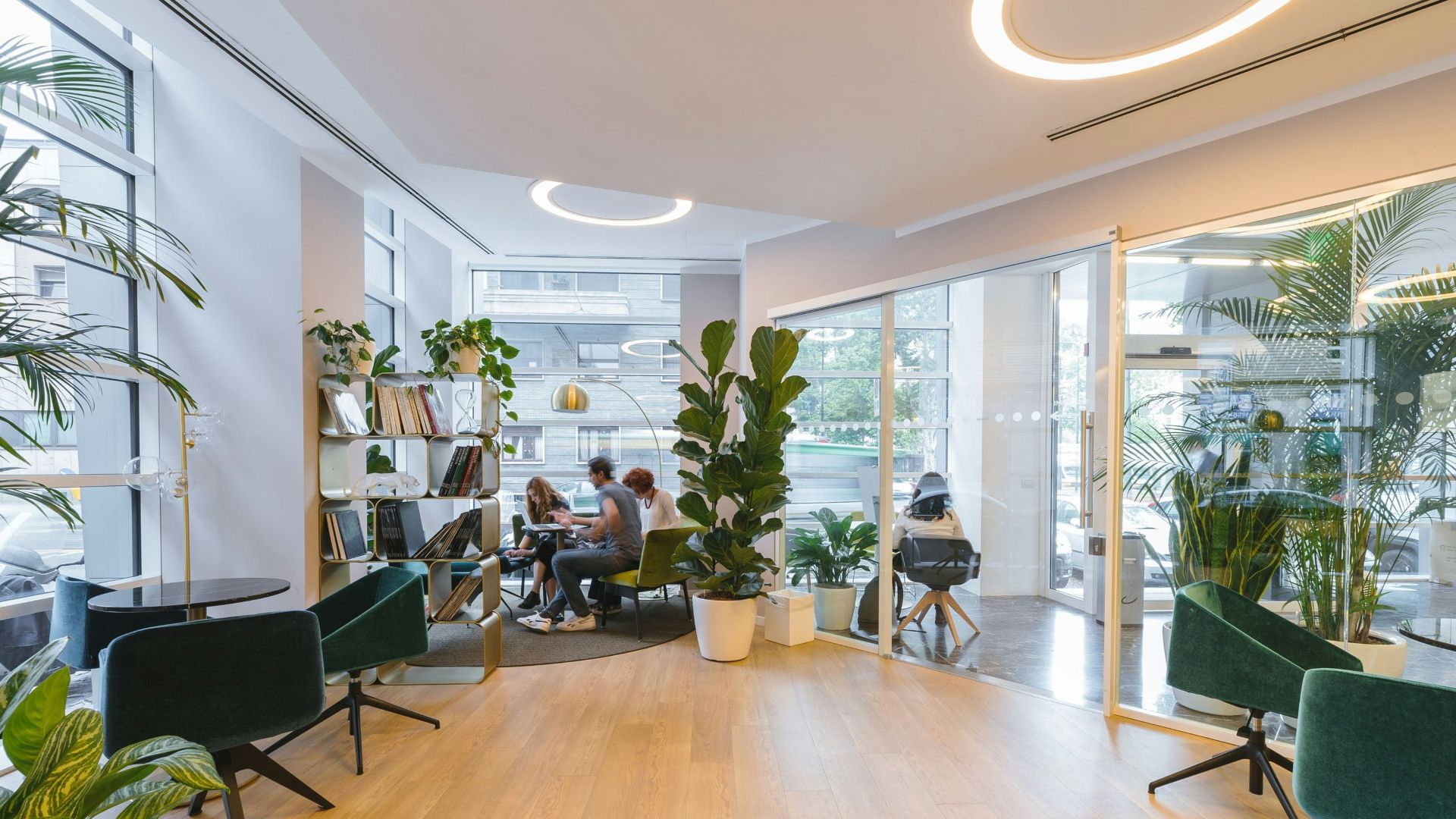
Within the first 10 minutes of entering a workplace, employees begin forming opinions about company culture, professionalism, leadership standards, and even long-term career potential.
For HR leaders and founders, these first impressions matter more than ever. A well-designed office does more than look attractive. It influences morale, collaboration, and employee confidence from the moment someone walks through the door.
Businesses searching for better office leasing solutions are increasingly prioritising workplace experience rather than simply focusing on square footage. Employees now expect offices to support wellbeing, flexibility, and culture in practical ways.
Why First Impressions Matter in the Workplace
People naturally make quick judgments about spaces. Offices are no different.
The first few minutes inside a workplace shape how employees feel about:
- Leadership quality
- Workplace culture
- Professional standards
- Team collaboration
- Employee wellbeing
- Organisational success
A poorly maintained office can create doubt immediately. On the other hand, a welcoming and organised environment builds trust and confidence.
In London’s competitive hiring market, workplace first impressions have become a serious recruitment and retention factor. Employees increasingly compare office environments when deciding where they want to work long term.
The Reception Area Design Employees Notice First
The reception space often sets the tone for the entire office.
Employees immediately notice:
- Cleanliness
- Lighting quality
- Noise levels
- Seating comfort
- Branding consistency
- Visitor management systems
An outdated reception area can make a business appear disconnected or unorganised. In contrast, modern reception area design creates a professional and welcoming atmosphere.
Soft lighting, natural materials, and uncluttered layouts often help employees feel more comfortable from the start. Additionally, reception teams play a major role in shaping the modern office experience that London companies aim to deliver.
Many growing businesses now work with workplace specialists such as Flux HQ to create offices that balance functionality with employee wellbeing. Modern office design is no longer just about appearance. It is about supporting how people work every day.
Office Cleanliness and Maintenance Standards
Employees quickly notice whether an office feels properly maintained.
Simple details matter, including:
- Clean meeting rooms
- Organised desks
- Fresh air quality
- Functional washrooms
- Tidy communal spaces
A neglected office creates the impression that management overlooks employee comfort. This can affect morale more than many employers realise.
In contrast, clean and organised workplaces help employees feel respected and valued. They also contribute to healthier working conditions and reduced stress levels.
For founders and HR teams, office upkeep reflects company standards directly.
Workplace Culture Design Is Visible Immediately
Employees do not need long to understand workplace culture design. The office environment communicates company values very quickly.
For example, employees often observe:
- How teams interact
- Whether leadership is approachable
- Noise and collaboration levels
- Workspace flexibility
- Inclusivity in design
Open collaborative areas may signal transparency and teamwork. Quiet zones can indicate respect for focused work. Social breakout areas may show that employee well-being matters.
Even subtle office details influence perception. Artwork, meeting room naming, internal branding, and workspace layouts all contribute to workplace identity. The best offices align physical space with company culture naturally.
Employees Notice Office Amenities Quickly
Modern employee office expectations have changed significantly in recent years.
Today’s workforce often expects more than desks and meeting rooms. Employees immediately notice workplace amenities that improve comfort and flexibility.
Popular office amenities include:
- Quality coffee stations
- Breakout lounges
- Wellness rooms
- Phone booths
- Adjustable desks
- Bike storage
- Shower facilities
- Outdoor spaces
These features support employee wellbeing while improving the overall office experience.
In London, many businesses compete for talent through workplace quality. Therefore, office amenities often influence employee satisfaction as much as salary packages.
Lighting and Natural Space Affect Employee Mood
Lighting is one of the first environmental details employees subconsciously notice.
Poor lighting can make offices feel tiring and uninviting. Meanwhile, natural light improves focus, mood, and energy levels.
Modern office experience London businesses now prioritise:
- Large windows
- Open layouts
- Indoor greenery
- Biophilic design
- Natural materials
These features create calmer and more comfortable workspaces.
In addition, employees often associate bright and healthy environments with better company culture and stronger leadership investment.
Technology Setup Shapes Early Impressions
Technology problems create frustration immediately.
Employees notice quickly when offices suffer from:
- Slow internet
- Poor meeting room systems
- Limited charging access
- Complicated booking tools
- Weak video conferencing equipment
Efficient technology supports productivity from day one. It also reflects how seriously businesses take operational performance.
Hybrid working has increased expectations around workplace technology significantly. Employees now expect seamless digital collaboration both inside and outside the office.
As a result, technology infrastructure has become a major part of workplace first impressions.
Office Layout and Space Planning Matter
Employees instinctively assess whether a workplace feels comfortable and functional.
They often notice:
- Desk spacing
- Privacy levels
- Noise management
- Collaboration areas
- Traffic flow
- Seating comfort
Crowded offices can increase stress and reduce productivity. However, overly empty spaces may feel disconnected or impersonal.
The most effective offices create balance between collaboration and focused work. Employees appreciate environments that support different working styles throughout the day.
Before choosing a location, many businesses get a price map here to compare office value across London and identify areas that support better workplace experiences within budget.
Employee Wellbeing Is Reflected in Office Design
Wellbeing is now central to workplace culture design.
Employees quickly recognise whether businesses genuinely support health and wellbeing through office environments.
Positive signs include:
- Quiet spaces
- Comfortable furniture
- Access to daylight
- Relaxation areas
- Air quality management
- Wellness facilities
Offices designed purely for density and efficiency often feel draining. In contrast, wellbeing-focused spaces improve employee engagement and retention.
Modern employees increasingly expect workplaces to support mental health as well as productivity.
Noise Levels Influence Workplace Experience
Noise is one of the biggest complaints in poorly designed offices.
Within minutes, employees notice:
- Loud conversations
- Echo-heavy meeting rooms
- Distracting phone calls
- Lack of acoustic privacy
Excessive noise reduces concentration and increases workplace stress.
Modern offices now include acoustic solutions such as:
- Soundproof booths
- Acoustic panels
- Zoned work areas
- Quiet focus spaces
These adjustments improve comfort while supporting different work preferences.
Company Identity Should Feel Authentic
Employees notice whether branding feels genuine or performative.
Strong office branding reflects company values consistently without feeling forced. Examples include:
- Thoughtful interior design
- Mission-driven messaging
- Consistent visual identity
- Employee-focused storytelling
However, employees quickly recognise when branding contradicts actual workplace culture.
For example, a company promoting collaboration while maintaining rigid workplace structures may create distrust.
Authenticity matters more than visual trends alone.
The Role of Hospitality in Modern Offices
Hospitality-inspired offices are becoming increasingly popular across London.
Employees appreciate workplaces that feel welcoming rather than overly corporate.
Simple hospitality-focused details include:
- Friendly reception staff
- Comfortable seating
- Refreshment availability
- Warm lighting
- Flexible social spaces
These elements create a more human workplace experience.
Businesses adopting hospitality principles often see improvements in employee engagement and visitor impressions simultaneously.
Why Office Experience Matters for Retention
Employees spend a large portion of their lives at work. Therefore, office quality directly affects how they feel about their employer.
A poor office environment can contribute to:
- Low morale
- Reduced productivity
- Higher turnover
- Recruitment challenges
Meanwhile, strong workplace experiences support:
- Collaboration
- Creativity
- Employee wellbeing
- Company loyalty
In competitive London industries, workplace experience has become a strategic business advantage rather than a design luxury.
Creating a Better Modern Office Experience in London
HR leaders and founders should approach office design strategically.
Important priorities include:
- Employee comfort
- Flexible working styles
- Strong technology
- Natural lighting
- Wellness support
- Authentic culture representation
Successful offices combine operational functionality with employee experience.
Businesses that invest thoughtfully in workplace design often create stronger teams, better retention rates, and more positive company cultures over time.
Conclusion
The first 10 minutes inside an office shape how employees feel about a business. From reception area design to office amenities and workplace culture design, every detail contributes to the overall experience.
The modern office experience London companies provide now plays a major role in recruitment, retention, and employee satisfaction. Workers increasingly expect offices to support wellbeing, collaboration, and flexibility from the moment they arrive.
For HR leaders and founders, office design is no longer just about aesthetics. It is a direct reflection of company culture, leadership priorities, and employee value.
Creating a thoughtful workplace experience helps businesses build stronger teams and more engaged employees long term.
Frequently Asked Questions
What do employees notice first in an office?
Employees usually notice cleanliness, reception area design, lighting, office atmosphere, and how staff interact within the space.
Why are workplace first impressions important?
First impressions influence employee confidence, workplace satisfaction, and perceptions of company culture.
What office amenities do employees value most?
Popular office amenities include quality coffee areas, breakout spaces, wellness rooms, bike storage, and flexible workspaces.
How does office design affect workplace culture?
Office design reflects company values through layout, collaboration spaces, wellbeing support, and overall employee experience.
Why is natural light important in offices?
Natural light improves focus, mood, productivity, and employee wellbeing while creating a more welcoming workplace environment.
How can businesses improve employee office expectations?
Businesses can improve office experience through better technology, flexible layouts, wellness-focused design, and hospitality-inspired workplace features.
More Articles
Back to Industry Knowledge
Secure Your Ideal Office Space in Waterloo: 5 Essential Steps
Discover essential steps to secure the perfect office space in Waterloo for your business needs.
4 Best Practices for Securing Office Space in Whitehall
Discover essential best practices for securing the ideal office space in Whitehall.

Best Practices for Securing Office Space in West End for Startups
Discover essential best practices for securing office space in West End tailored for startups.

