
The Rise of Serviced Offices in London - Trends and Insights
In recent years, London’s commercial property landscape has undergone significant changes. The de...
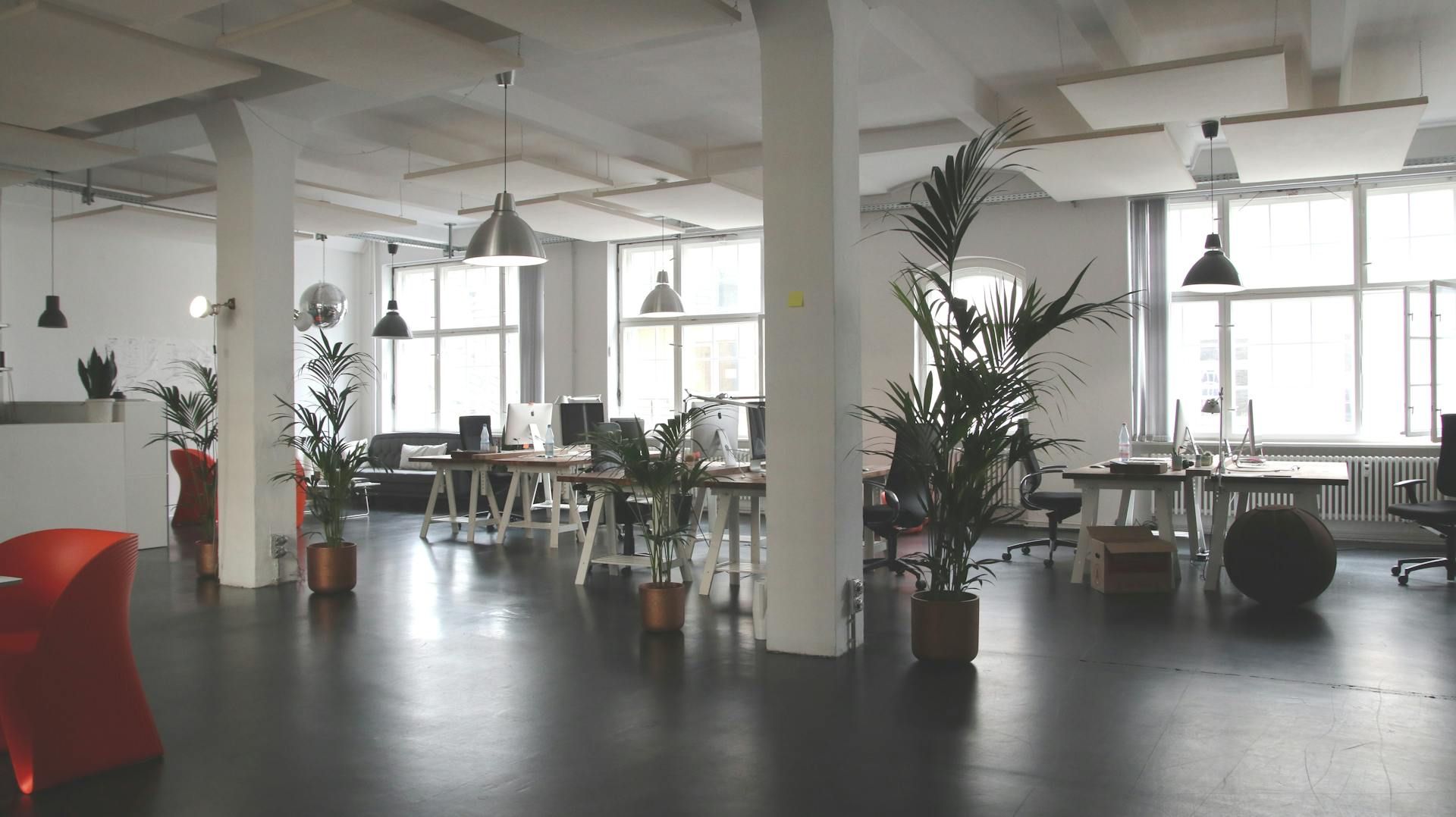
Why Businesses Are Shifting to Flex Spaces
The traditional office lease is no longer the default choice for modern businesses. A new preference is emerging, driven by operational flexibility and changing workforce expectations.
Post-COVID hybrid work influence
- Many organisations have adopted hybrid or remote-first work models post-pandemic.
- Employees expect workspaces that offer on-demand use, shorter leases, and wellness-focused environments.
- Businesses are reducing long-term liabilities by opting for managed and serviced office spaces that scale with their team size.
- Serviced offices provide communal meeting rooms, and breakout areas that align with agile business structures.
As companies rethink their workplace strategy, serviced office solutions in London are rapidly becoming the go-to option for dynamic teams.
Market Growth Statistics
The serviced office sector is experiencing strong expansion, backed by data-driven market momentum and increasing investor interest.
Current data and forecasts
- Businesses are investing in adaptable infrastructure and maintenance-efficient environments.
- Serviced office supply in London grew by over 15% year-on-year from 2022 to 2024, with occupancy rates averaging over 80% in central zones.
- Future forecasts predict an annual growth rate of 12% through 2026, driven by SME adoption and enterprise satellite offices.
- Demand spikes are notable in areas with high concentrations of tech startups, finance hubs, and creative industries.
The rise in demand is supported by changes in tenant behaviour, investor confidence, and urban planning initiatives. With London’s high-cost real estate environment, serviced offices offer a scalable and cost-effective solution. For area-by-area comparisons, check the Flux price maps .
Changing Tenant Preferences
Today’s tenants are looking for much more than just square footage. Priorities have shifted toward experiences, wellbeing, and productivity, resulting in a competitive advantage for providers who can deliver high-quality environments.
Focus on Flexibility
- Flexible lease terms (1 – 12 months) allow businesses to adjust workspace sizes easily.
- Tech-enabled rooms, high-speed internet, and seamless booking systems are now considered standard.
- Amenities such as wellness rooms, baristas, and on-site fitness spaces influence choice.
- Tenants are increasingly using coworking and hot desk solutions as an alternative to permanent offices, especially for startups and freelancers.
- Operational support like mail handling, reception services, and 24/7 access adds value to serviced office packages.
- Companies seek plug-and-play environments to move in and begin work immediately, without setup delays.
Evolving preferences are pushing operators to upgrade their offerings and rethink service delivery in line with tenant experience.
Key Locations for Growth
Certain London boroughs and submarkets are emerging as serviced office hotspots due to accessibility, amenities, and economic development.
Areas with rising demand
- Shoreditch & Old Street: Home to tech startups and creative agencies with high demand for coworking models.
- King’s Cross: Popular for enterprise-level hubs and exceptional transport connectivity.
- Canary Wharf: Dominated by financial and legal firms seeking professional yet flexible spaces, as well as tech startups.
- Paddington & White City: Rapid development, cultural attractions, and mixed-use properties draw diverse businesses who want access to the West and Heathrow.
- Stratford: Affordable rates and improved infrastructure appeal to growing SMEs and digital-first firms.
Serviced Office Features Redefining the Market
New standards are being set in what tenants expect from office providers, and those who evolve quickly will be the ones who lead the pack.
What tenants now prioritise:
- Community and networking: Events, meetups, and shared areas build a sense of connection.
- High-speed, secure internet: Not just WiFi, but dedicated line options to support cloud-heavy operations.
- Ergonomic furniture: Sit-stand desks, soundproof booths, and collaborative zones.
- Automation: Touchless entry, app-based room booking, and energy-efficient lighting.
- Data-driven support: Usage stats, booking reports, and productivity tracking for enterprise clients.
These features go far beyond the standard lease-and-leave model of traditional office space. Serviced offices today compete not only on price, but on user experience.
How the Economic Climate Affects the Sector
London’s business environment continues to face inflation, interest rate shifts, and operational cost increases. These macroeconomic trends directly impact London office space costs.
Resilience of the serviced office model:
- Businesses avoid CAPEX-heavy setups in favour of OPEX-friendly solutions.
- Shorter leases reduce financial risk during uncertain growth periods.
- Operators that bundle internet, security, reception, and utilities offer cost predictability.
- SMEs and startups now account for over 60% of serviced office enquiries.
- Enterprise clients are using serviced offices to establish regional hubs without multi-year leases.
With volatility likely to continue, serviced offices provide an agile infrastructure that suits companies’ cost-control objectives.
Comparing Serviced Offices to Traditional Leases
A growing number of companies are re-evaluating the value proposition of conventional leases and instead turning to full-service offerings.
Key comparison factors:
- Lease Flexibility: Traditional leases often run for 5–10 years; serviced offices offer monthly to 12-month terms.
- Fit-Out Time: Serviced spaces are move-in ready; conventional offices may require 2–6 months for renovation.
- Operational Burden: Landlords of traditional leases place the maintenance on tenants; serviced office providers manage it.
- Cost Transparency: Serviced office packages include most operational costs; conventional leases require separate utilities, rates, insurance etc
- Exit Strategy: Breaking a traditional lease is expensive and difficult; exiting a serviced office can be much simpler.
Environmental and Sustainability Trends
Sustainability is not just a buzzword; it’s increasingly part of tenant decision-making and corporate responsibility.
What serviced offices are doing to go green:
- Energy-efficient lighting, HVAC, and building management systems.
- Waste recycling programs and digital document management to reduce paper use.
- Rainwater harvesting.
- LEED and BREEAM certifications on new developments.
- Green rooftops, indoor plants, and biophilic design.
- Encouraging use of bicycles, EV charging stations, and public transit.
These features are not only environmentally beneficial - they’re also increasingly demanded by environmentally conscious businesses.
Serviced offices are no longer a niche offering - they are becoming the preferred choice for many London-based companies. The convergence of flexible work models, tech integration, and operational efficiency has accelerated their adoption. From emerging business hubs to central districts, these spaces are shaping the future of work.
Flux is at the forefront of this movement, empowering businesses with choice, control, and convenience. Whether you’re scaling a startup, launching a satellite office, or seeking an upgrade from your current setup, explore how our managed offices and serviced office solutions align with the future’s workspace evolution.
Frequently Asked Questions
What is a serviced office space?
A serviced office is a fully furnished and managed workspace where utilities, internet, and support services are bundled into one monthly fee. It’s ideal for companies looking for flexibility and simplicity.
Why are serviced offices becoming more and more popular?
The shift toward hybrid work has made flexible office models more attractive. Businesses prefer avoiding long-term commitments and upfront costs associated with traditional leases.
Are serviced offices suitable for large enterprises?
Yes, many providers offer customisable large-scale office suites for enterprise clients, including private floors and fully branded environments.
How do I calculate space requirements for my team?
You should assess team size, layout preferences (open plan vs. private offices), and frequency of in-office attendance. Many businesses use an office space calculators or consult with workspace advisors. Flux HQ can give you a thorough AI-driven calculation of what you really need.
Which London areas have the highest demand?
Areas like Shoreditch, King’s Cross, Canary Wharf, London Bridge and Soho are among the most in-demand due to location advantages, infrastructure, and business ecosystem support.
What are the average costs for serviced offices in London?
Costs vary based on location, amenities, and office size. Central London typically commands higher rates, while fringe areas offer better value. Our London Office Price Map is a great place to start looking.
What amenities should I look for?
Modern tenants prioritise high-speed internet, breakout spaces, meeting rooms, wellness zones, on-site support, and tech-enabled services.
More Articles
Back to Industry Knowledge
Secure Your Ideal Office Space in Waterloo: 5 Essential Steps
Discover essential steps to secure the perfect office space in Waterloo for your business needs.
4 Best Practices for Securing Office Space in Whitehall
Discover essential best practices for securing the ideal office space in Whitehall.

Best Practices for Securing Office Space in West End for Startups
Discover essential best practices for securing office space in West End tailored for startups.

