
Key Benefits of Flexible Workspace Solutions for Modern Businesses
The modern workplace has changed. Businesses today need more flexibility than ever before. Teams...
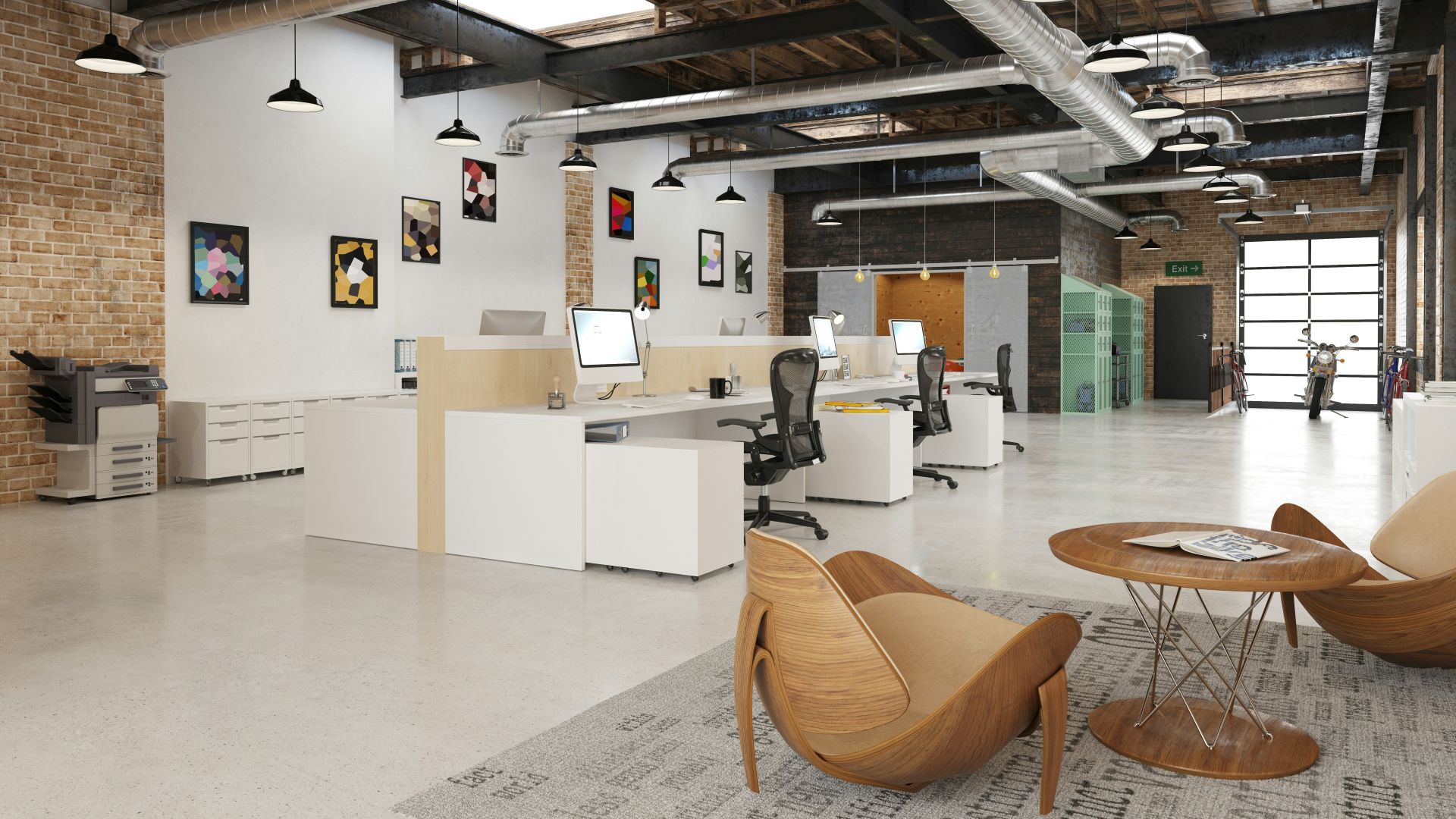
Flexible workspaces give businesses the freedom to adapt. They help companies scale up, scale down, and respond to change without unnecessary stress.
If you are searching for a serviced office for lease broker, understanding the benefits of flexible workspace solutions can help you choose the right workspace for your business. In this guide, we explore why flexible offices have become so popular and how they support modern businesses of all sizes.
What Are Flexible Workspace Solutions?
Flexible workspace solutions are offices designed to meet changing business needs. Unlike traditional offices, they offer greater flexibility and convenience.
Examples include:
- Serviced offices
- Managed offices
- Furnished offices
- Shared workspaces
- Hybrid office solutions
Many of these offices are fully equipped and ready to use. Businesses can move in quickly and start operating without lengthy setup periods.
Why Flexible Workspaces Are Growing in Popularity
The way people work has changed significantly.
Many businesses now operate with:
- Hybrid teams
- Remote workers
- Flexible schedules
- Project-based staffing
Traditional office models often struggle to support these changes. Flexible workspace solutions provide a more practical option. They allow businesses to adapt without being locked into long-term commitments.
Faster Office Setup
One major advantage is speed. Traditional offices often require months of preparation.
Businesses may need to arrange:
- Furniture
- Internet services
- Utilities
- Office equipment
Flexible offices reduce much of this work. Many spaces are ready from day one. Companies working with Flux HQ often benefit from office solutions that help teams move in quickly and begin working without unnecessary delays. This can save valuable time and reduce pressure during office moves.
More Flexibility for Growing Businesses
Growth rarely follows a straight line. A company may hire several new employees in one year and slow recruitment the next. Flexible workspace solutions make it easier to adjust.
Businesses can often:
- Add desks
- Expand office space
- Reconfigure layouts
- Access additional meeting rooms
This flexibility supports both short-term and long-term growth.
Better Support for Hybrid Working
Hybrid working is now common across many industries. Employees often divide their time between home and the office.
Flexible offices support this approach. Businesses can create spaces that match actual workplace usage. This helps avoid paying for unused office space. At the same time, employees still have access to professional work environments when needed.
Reduced Administrative Work
Managing an office can take significant time and effort.
Tasks often include:
- Building management
- Cleaning
- Maintenance
- Utility management
- Security arrangements
Flexible workspace providers often manage these services. This reduces the workload for business owners and office managers. Teams can spend more time focusing on business growth.
Improved Cost Control
Managing business costs is important for every organisation. Flexible workspace solutions often combine multiple services into a single monthly payment. This can make budgeting easier.
Businesses may benefit from:
- Predictable monthly expenses
- Reduced setup costs
- Fewer unexpected building expenses
Better financial visibility can support stronger business planning.
Access to Professional Facilities
Many flexible offices provide facilities that may be difficult for smaller businesses to access independently.
These facilities often include:
- Reception services
- Meeting rooms
- Breakout spaces
- Kitchen areas
- Secure access systems
These features help create a professional working environment. They can also improve the experience for employees and visitors.
Better Employee Experience
Employees spend a large part of their week at work.
The office environment can influence:
- Job satisfaction
- Productivity
- Team collaboration
- Employee retention
Modern flexible offices are often designed with employee wellbeing in mind.
Features may include:
- Natural light
- Comfortable furniture
- Shared social areas
- Modern meeting spaces
A positive work environment can support stronger team performance.
Easier Expansion Into New Markets
Some businesses need office space in multiple locations. Opening a traditional office in a new area can involve significant planning. Flexible workspace solutions make expansion easier. Businesses can establish a presence in new cities without making major long-term commitments. This supports growth while reducing risk.
Access to Prime Business Locations
Location remains important.
Businesses often want offices near:
- Transport links
- Clients
- Suppliers
- Business districts
Flexible office providers frequently offer space in desirable locations. This can improve accessibility and strengthen a company's professional image.
Improved Workplace Agility
Agility is important in today's business environment. Market conditions can change quickly. Flexible workspace solutions help businesses respond more effectively.
Companies can:
- Reconfigure office layouts
- Increase capacity
- Reduce unused space
- Support changing work styles
This adaptability helps businesses stay competitive.
Easier Space Planning
One challenge many businesses face is determining how much office space they actually need. Choosing too little space can create problems. Choosing too much space can increase costs unnecessarily.
Planning tools can help. Businesses can use a commercial office space estimator to understand current and future workspace requirements. This can support smarter office decisions.
Better Collaboration Opportunities
Workplace collaboration remains important. Even with remote working, employees benefit from face-to-face interaction.
Flexible offices often include:
- Meeting rooms
- Shared lounges
- Collaboration zones
These spaces help teams connect, share ideas, and work together more effectively.
Support for Business Continuity
Unexpected changes can affect any business. Flexible workspace solutions help organisations remain adaptable. If business needs change, companies often have more options available. This flexibility can support continuity during periods of growth, restructuring, or market change.
Professional Image for Clients
First impressions matter. Clients often judge businesses based on their workplace environment. A modern office can create confidence.
Features such as:
- Reception areas
- Professional meeting rooms
- Contemporary office design
Can strengthen credibility and improve client experience.
Serviced Offices vs Traditional Offices
Many businesses compare serviced offices with traditional leases. Traditional offices may offer greater control.
However, they often require:
- Longer commitments
- More setup work
- Greater management responsibilities
Serviced offices provide:
- Faster setup
- More flexibility
- Simplified management
For many businesses, this balance makes flexible workspace solutions a practical choice.
Common Mistakes to Avoid
When choosing office space, businesses should avoid:
- Choosing Space Based Only on Current Needs: Think about future growth as well as current requirements.
- Ignoring Employee Feedback: Employees use the space every day. Their input can provide valuable insights.
- Focusing Only on Cost: Value is often more important than finding the cheapest option.
- Overlooking Location: Accessibility can affect employee satisfaction and client convenience.
The Future of Flexible Workspace Solutions
The workplace continues to evolve.
Businesses increasingly value:
- Flexibility
- Agility
- Employee wellbeing
- Hybrid working support
Flexible workspace solutions align with these priorities. As business needs continue to change, demand for adaptable office environments is likely to remain strong.
Conclusion
Flexible workspace solutions have become an important part of the modern business landscape. They offer greater freedom, easier management, and improved adaptability compared with many traditional office arrangements.
From supporting hybrid working to helping businesses grow, these workspaces provide practical advantages that align with modern workplace expectations.
For SMEs, scale-ups, and established organisations alike, flexible workspace solutions can provide the agility needed to respond to change while creating productive and professional environments for employees and clients.
Frequently Asked Questions
What are flexible workspace solutions?
They are office spaces designed to adapt to changing business requirements.
Who uses flexible workspaces?
Start-ups, SMEs, growing businesses, and large organisations all use flexible offices.
Are flexible offices suitable for hybrid working?
Yes. They help businesses manage changing workplace attendance patterns.
What is a serviced office?
A serviced office is a ready-to-use workspace that often includes furniture, utilities, and support services.
Can flexible workspaces help growing businesses?
Yes. They make it easier to expand, reduce space, or adapt layouts as business needs change.
More Articles
Back to Industry Knowledge
Secure Your Ideal Office Space in Waterloo: 5 Essential Steps
Discover essential steps to secure the perfect office space in Waterloo for your business needs.
4 Best Practices for Securing Office Space in Whitehall
Discover essential best practices for securing the ideal office space in Whitehall.

Best Practices for Securing Office Space in West End for Startups
Discover essential best practices for securing office space in West End tailored for startups.

