
Best Coworking Spaces for Startups in London: A Founder's Guide
Guide to London coworking spaces for startups: flexibility, location, cost, growth.
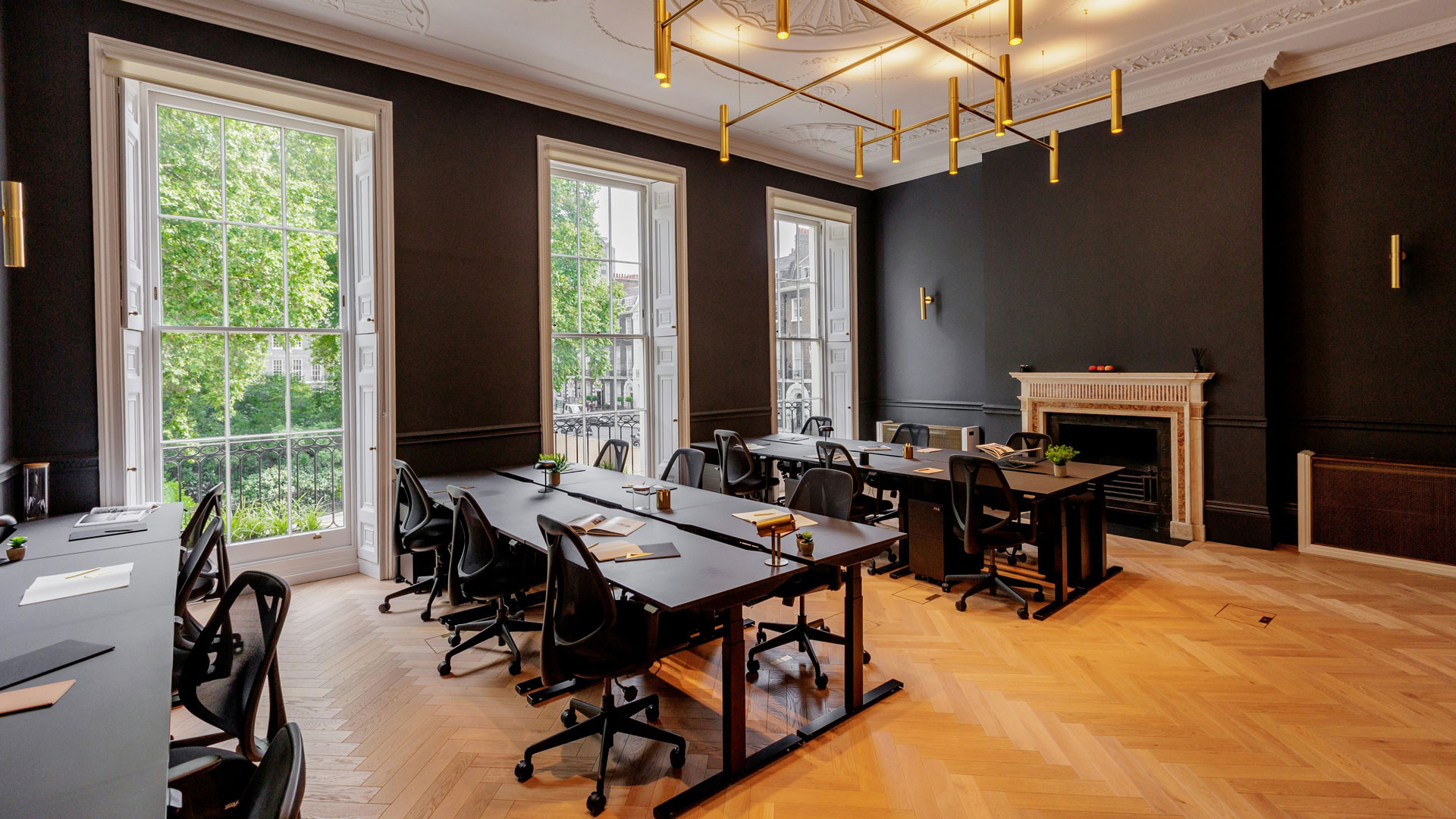
Choosing a coworking spaces for startups is one of those decisions that feels small until it isn't. Get it right and your team has a professional base to work from without draining runway on a long lease. Get it wrong and you're stuck paying for space you've outgrown, or locked into a contract that doesn't flex as your headcount changes month to month.
This guide is built for founders weighing up a coworking spaces for startups for the first time, covering what actually matters at this stage, which London areas tend to suit early teams, and the questions worth asking before you commit to any provider.
Why Coworking Makes Sense for Early-Stage Teams
At the startup stage, certainty is in short supply. You don't always know how many people you'll be hiring in six months, whether the team will stay fully in-office, or how long the current round of funding needs to stretch. A traditional lease assumes you can answer all three of those questions with confidence most early-stage founders can't.
A startup coworking space removes that pressure. Instead of committing to a fixed footprint for years, you get flexible terms that can scale with hiring, shared amenities that would be expensive to set up independently, and a professional address without the upfront capital a traditional office demands.
What to Look for in a Coworking Spaces for Startups
Not every coworking space is built the same way, and the right fit depends on how your team actually works day to day. This is where most of the real decision-making happens when choosing a coworking spaces for startups, so it's worth slowing down here rather than picking the first option that looks convenient. A few things worth checking before you sign anything:
- Flexibility of terms can you scale desks up or down as your team grows, without being locked into a long commitment?
- What's actually included internet, reception, meeting room access, and IT support should be part of the package, not billed as extras you discover later
- Access to private space when needed even fully remote-friendly teams often need a private office or meeting room for client calls, interviews, or focused work
- Community and networking shared spaces built around other startups and freelancers can open doors that a quiet private office won't
- Move-in speed startups rarely have months to wait between deciding on a space and actually using it
Founders looking specifically at a hot desk office London setup should also check how easy it is to book desks during peak hours, since some coworking spaces get busy enough that "flexible" access starts to feel more limited in practice.
Best London Areas for Startup Coworking Spaces
Location matters more for early-stage teams than it might seem, since it affects hiring, client perception, and how easy it is to attract talent who could work almost anywhere.
Shoreditch
A long-standing hub for tech and creative startups, with a strong density of coworking providers and a culture that leans informal and collaborative.
Soho
Central and well-connected, popular with founders who want a London postcode with easy access to clients across the city without sitting in a purely corporate district.
Canary Wharf
Suits startups in fintech or professional services that benefit from proximity to established financial institutions and a more corporate working environment.
Fitzrovia
A quieter alternative to Shoreditch that still sits centrally, often favoured by teams that want a startup-friendly atmosphere without the busiest coworking floors.
Coworking vs Serviced Office vs Traditional Lease
It helps to understand where coworking sits relative to the other flexible options available, since founders sometimes assume these terms are interchangeable.
Coworking spaces suit small teams, freelancers, and founders who don't yet need a dedicated private office and want to keep costs predictable and terms short.
Serviced offices offer a private, dedicated space for your team with everything managed for you, which tends to suit startups once they've outgrown shared desks but still want to avoid a long lease.
Traditional leases make more sense once headcount has stabilised and the business has a clearer multi-year outlook, since the long commitment only pays off with that kind of certainty.
Most startups move through these stages in order, starting with coworking or hot desks before graduating into a serviced or managed office as the team grows.
How Flux HQ Helps Startups Find the Right Space
At Flux HQ, we work as an independent broker rather than being tied to any single coworking provider, which means the recommendation is based on what actually fits your team rather than a relationship with one building. We start by understanding your headcount, budget, and preferred location, then shortlist coworking and hot desk options that match, arrange viewings, and handle the negotiation on your behalf.
This matters most for founders who don't have the time to compare every provider individually. Our guide to coworking office space in London goes deeper into how coworking compares to other workspace models if you want the fuller picture before deciding.
When to Move Into a Startup Coworking Space
Timing matters as much as the space itself. Moving into a coworking spaces for startups too early, before there's a clear reason to leave home offices or a founder's kitchen table, can add cost without adding much value. Moving too late, after the team has already outgrown informal working arrangements, tends to slow hiring and make client meetings harder to manage.
A reasonable trigger point for most startups is when the team grows past two or three people working regularly in the same location, or when client-facing work starts requiring a professional address and meeting space. At that stage, a coworking space for startups usually makes more sense than either staying fully remote or jumping straight into a private serviced office.
It's also worth revisiting the decision every few months rather than treating it as a one-time choice. As the team grows, a coworking space for startups that worked well at five people might feel cramped at fifteen, and that's usually the point where a serviced office becomes the more practical option.
Common Mistakes Founders Make When Choosing a Coworking Spaces for Startups
A few patterns show up repeatedly with early-stage teams:
- Committing to too much space too early renting for a headcount you expect to hit in a year, rather than where the team is today
- Ignoring notice periods assuming every coworking agreement is as flexible as advertised, without confirming exit terms upfront
- Overlooking meeting room access discovering after signing that meeting rooms are limited or need to be booked well in advance
- Choosing location on price alone picking the cheapest option without considering whether the area suits hiring and client access
- Not asking what's included assuming utilities, printing, or IT support are bundled in when they're sometimes billed separately
Avoiding these usually comes down to asking the right questions during viewings rather than assuming every provider works the same way.
Final Thoughts
Choosing the right coworking spaces for startups comes down to matching flexibility, location, and included services to where your team actually is right now, not where you expect to be in a year. Coworking gives early-stage founders room to grow without the commitment of a traditional lease, and it's usually the natural starting point before moving into a serviced office as the team scales.
If you'd like help finding a startup coworking space that matches your team's needs, try our AI Office Finder to get matched with options in minutes.
Frequently Asked Questions
1. What's the difference between a coworking space and a serviced office?
A coworking space typically means shared desks or communal areas used alongside other companies, while a serviced office is a private, dedicated space for your own team that's still fully managed and furnished.
2. How quickly can a startup move into a coworking space?
Coworking spaces are generally designed for fast move-ins, often within days rather than weeks, since desks and facilities are already set up and ready to use.
3. Is coworking suitable for a growing team, or only very small startups?
Coworking works well at almost any early stage, since most providers allow you to scale desks up as you hire. Many startups move into a private serviced office once the team outgrows shared space.
4. Do coworking spaces include meeting rooms?
Most coworking providers offer bookable meeting rooms as part of the package, though availability and how far in advance you need to book can vary by provider.
5. Should a startup use a broker to find coworking space?
It's not essential, but a broker can save time by shortlisting options that match your budget and requirements, handling viewings, and negotiating terms on your behalf rather than you comparing every provider independently.
More Articles
Back to Industry Knowledge
Secure Your Office Space in Smithfield: 4 Essential Steps
Discover essential steps to secure the ideal office space in Smithfield for your business needs.

Why Choose Office Space in Sloane Square for Your Startup?
Discover the benefits of office space in Sloane Square for startups seeking growth and visibility.

4 Reasons to Choose Office Space in Soho for Your Startup
Discover why office space in Soho is ideal for startups, offering creativity, collaboration, and growth.

