

Create a dated evidence record for each candidate
Treat each London office building as a candidate evidence record: identify the property, the exact space under discussion, the proposed arrangement and the points that still need confirmation. Start a separate record for each candidate and keep the building identity, the proposed space, the arrangement being offered and the unresolved questions together. The useful question is not whether the building appears attractive; it is whether the specific space and terms can be verified against the way your team needs to work.
Your initial shortlist should connect six subjects: your people, your clients, your costs, the building requirements, future growth and the workplace experience you want to create. Those priorities help you narrow the London submarkets worth investigating before you assess individual buildings. A location can remain on the list while the building-level questions are still open, but it should not advance simply because the address is familiar or the photographs are persuasive.
Building-level facts need a current check before they influence a decision. Treat availability, pricing, amenities, transport information, broadband, fit-out condition, sustainability information and proposed terms as time-sensitive details. A building page, historic listing or indicative description can help you generate questions; it cannot by itself establish that the required space is available, affordable or suitable for your team. The rest of this guide gives you a way to separate initial appeal from evidence and action.
Build a property evidence file for each candidate
A property evidence file turns a promising London office building into a candidate that can be checked. For each option, preserve the building identity, the exact space under discussion, the source and date of each material fact, the point that fact is meant to establish and the question that remains open. This keeps building appeal, current evidence and the next verification step separate when details change.
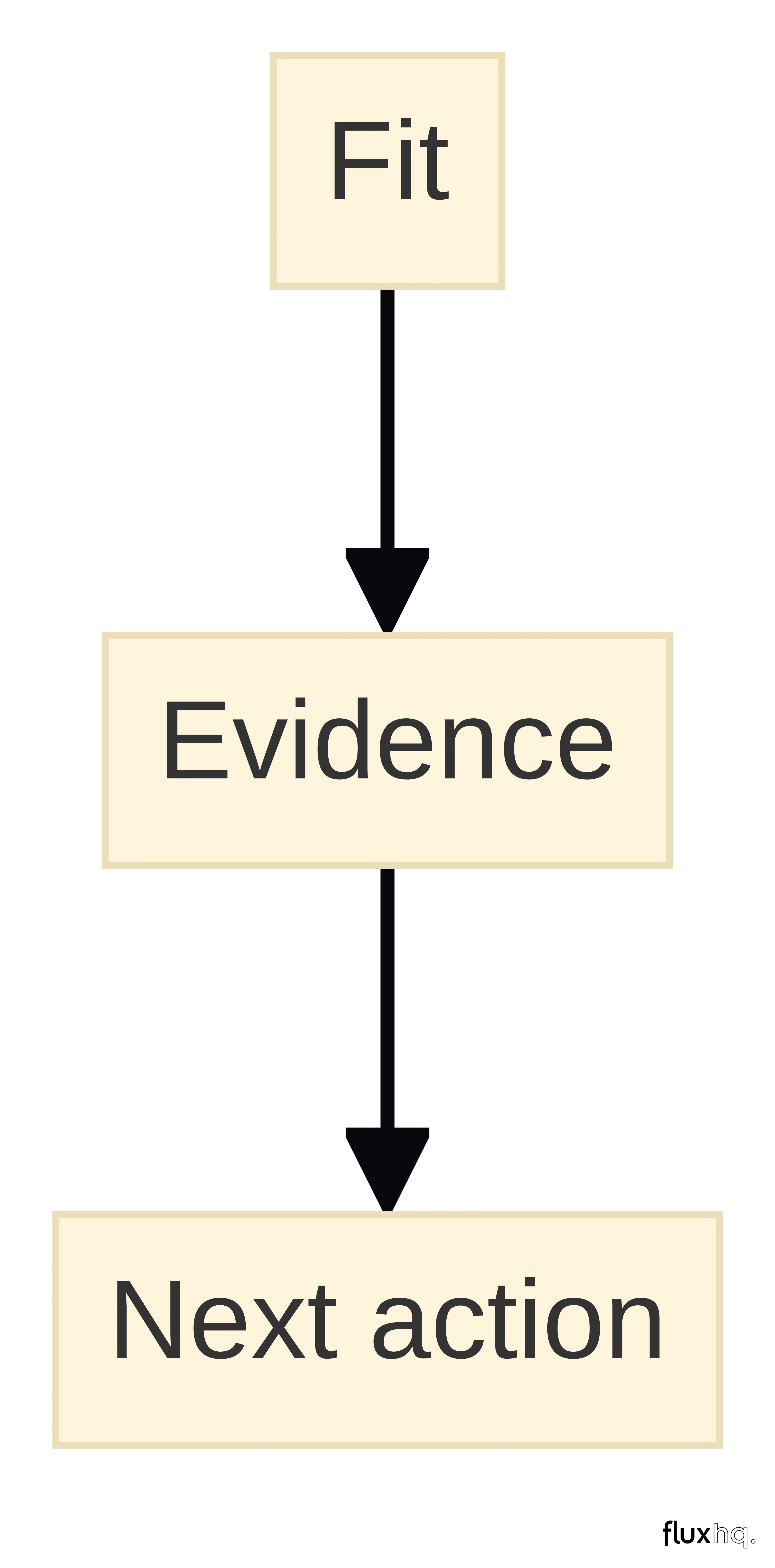
Use these checks for each building or building type:
- Fit: Does the location, capacity, workplace configuration, commitment and operating model match the way your team, clients and visitors use space?
- Evidence: Which details are confirmed for the specific building and proposal, and which are only assumptions, marketing descriptions or general market information?
- Next action: What single question, document, viewing or commercial clarification would allow you to keep the candidate moving?
A candidate with strong fit but weak evidence is worth investigating, not selecting. A candidate with good evidence but poor fit should be removed rather than carried forward because it is easy to describe. A candidate with unresolved fit and no clear next action is consuming attention without improving the decision.
A simple record can use three columns: what appears to fit, what is confirmed, and what must be resolved. Add a fourth column for the consequence if the point fails. For example, a lack of private rooms may affect confidential work; uncertain expansion rights may affect your growth plan; an unclear all-inclusive fee may affect budgeting. This is a candidate-evaluation method, not another requirements brief: your existing needs remain the standard, while the record shows how each building performs against them.
Give every candidate a short card rather than relying on scattered notes. Record the building and area, the proposed workplace route, the team use it appears to support, the strongest reason to investigate it, the largest unresolved risk and the person responsible for the next check. Add the date for every changing fact. This makes two otherwise similar options easier to distinguish: one may have stronger operational fit, while the other may simply have more complete information. Advance the candidate with the clearer decision path, not the more polished presentation.
Separate building appeal from verified suitability
Assessing office candidates means moving from broad appeal to a structured comparison. Start with the business use: where your team and clients need to be, how many people will attend, what work they will do and what facilities they require. Then test the workplace route, the commitment, the cost structure and the operational responsibilities. Finally, separate the building facts that are confirmed from those that need current confirmation.
A practical assessment follows this sequence:
- Location: compare the building's working geography with team access, client use and business priorities.
- Capacity: calculate around expected attendance, meeting visitors, work patterns and required amenities rather than headcount alone.
- Configuration: establish the balance between private desks, meeting rooms, quiet work, collaboration areas, reception, kitchen and WCs.
- Workplace route: distinguish traditional leased, serviced, managed, coworking and hot-desk possibilities by their commitments and responsibilities.
- Growth path: test what happens if the team expands, contracts, changes its attendance pattern or needs a different London area.
- Occupancy cost: record the full set of included and excluded costs, not only the headline desk or rent figure.
- Evidence status: mark current availability, pricing, amenities, transport information, terms and building performance as confirmed, open or unsuitable.
The right building can change as your business changes. A growing team may move from serviced to managed or more bespoke space, change buildings or choose a different part of London. Flexible space can support expansion or relocation within the same building when availability exists, but that possibility is not a substitute for checking the actual agreement and current supply. Your shortlist should therefore identify both the building that works today and the conditions that would allow it to remain workable later.
Use the framework in two passes. In the first pass, remove options that clearly fail on location, capacity, route or timing. In the second, compare the surviving candidates through cost, operating responsibility, change rights and evidence quality. This prevents detailed financial or contractual comparison of spaces that cannot support your working pattern. It also keeps the shortlist broad enough to include different routes when the business has not yet decided between serviced, managed, leased, coworking or hot-desk space.
Check the location against working geography and business use
London location should be assessed through the work your business needs to do, not through a district name alone. Start by mapping where team members travel from, how often they attend, where clients need to meet you and whether the office must support a particular working pattern. Then compare candidate buildings within the areas that fit those priorities. Mayfair, Soho, Shoreditch, the City of London and London Bridge can all be included as search areas, but none should be treated as suitable without building-level investigation.
Use a location record that asks:
- Which team members need regular access, and what attendance pattern should the building support?
- Where do clients, candidates, investors or partners need to reach you?
- Does your work require a central meeting point, a quieter base, a flexible drop-in arrangement or a combination?
- Which areas remain acceptable if the first building has no suitable space?
- What would make a building difficult to use in practice: access hours, arrival experience, visitor handling, room availability or the journey for key staff?
- Which transport and neighbourhood claims still need current confirmation for the specific building?
This record gives you a reason for considering an area and a way to challenge it. It also stops a familiar district from carrying more weight than the working geography of your business.
Flux HQ specialises in startup office space with flexible lease options to support growth. We provide access to serviced office space in the City of London, source coworking and hot-desk options in London Bridge, and source coworking and hot-desk options in Mayfair. Those are office-space routes to investigate against your requirements, not assurances that a particular building, desk or term is available.
The next action for a location candidate is to write one sentence explaining why the area belongs on the shortlist and one sentence identifying what must be confirmed at building level. If you cannot state both, keep the area as background research rather than advancing it as a serious candidate.
Do not treat location as a single preference. Record the trade-off you are making: a building may suit client access but create a difficult journey for a regular team; another may fit the team's working geography but require a different meeting arrangement. The useful comparison is between the work the office must support and the friction the location introduces. Keep a fallback area only when you can explain which requirement it protects and what building-level facts still need checking.
Verify the exact suite and shared facilities
The file must identify the exact space being tested, not merely a desk count. Check how many people are expected to attend, including meeting visitors, what work they will undertake and which amenities the proposed suite or building must provide. Headcount helps define the question, but the building record should show the room mix, private area, shared facilities and access arrangement that make the space workable.
Describe the working pattern before you judge the floor area. Record:
- current headcount and the likely planning headcount;
- expected attendance by day or by team;
- people who come in for meetings without occupying a regular desk;
- individual work that needs quiet or privacy;
- collaborative work that needs shared tables or breakout space;
- client, interview, investor or board meetings;
- private rooms, meeting rooms and informal areas;
- reception, kitchen, WCs and storage requirements; and
- any hybrid-working conditions that affect room use or desk demand.
The purpose is not to create a false level of precision. It is to show what the candidate must make possible and which assumptions need testing during a viewing.
Serviced offices often provide meeting rooms, kitchens and breakout spaces outside the private office suite. That arrangement can change how you calculate the private space you need because not every facility has to sit inside your suite. The arrangement also creates questions: how are shared rooms accessed, what capacity do they have, how are they booked and what happens when your team needs them at busy times? Record the answer for the specific proposal rather than treating shared facilities as interchangeable with dedicated rooms.
A building passes the capacity screen when its available configuration can support your attendance pattern and required activities without relying on an untested assumption. If the candidate works only because every meeting can use a shared room, ask to see the booking process and the relevant availability. If it works only by placing every person at a desk, compare that assumption with actual attendance. Capacity is a use question first and a floor-area question second.
Test capacity in three layers. First, check whether the private area supports the people who need dedicated space. Second, check whether shared rooms and breakout facilities can absorb visitors, collaboration and peaks in attendance. Third, check whether the access, booking and storage arrangements allow those spaces to function without disrupting ordinary work. A candidate that passes only the desk count has not yet passed the capacity test. Record the condition that makes the space workable and the evidence needed to confirm it.
Check the proposed arrangement and accountable parties
The building file should identify the proposed workplace route without treating its label as proof of the arrangement. Traditional leased, serviced, managed, coworking and hot-desk options can require different checks on the named parties, the space being granted, fit-out responsibility, access, relocation, notice and facilities. Compare the proposed agreement and delivery details for the exact space, not a category description.
| Workplace route | Confirm in the building file | Questions for the exact proposal |
|---|---|---|
| Traditional leased office | Named landlord, premises and term. | Who controls delivery and fit-out, what is included, and which obligations continue through occupation and exit? |
| Serviced office | Provider, licence, private suite, shared facilities and any relocation provision. | Is the right to occupy tied to a particular space, how are rooms accessed, and what does the monthly fee include? |
| Managed office | Parties, exclusive area, fit-out scope, delivery date and change rights. | Who approves the fit-out, when is the space ready, and which services or costs sit outside the stated fee? |
| Coworking or hot desk | Desk or room allocation, access rights, privacy arrangements and booking terms. | Does the offered arrangement support the attendance pattern, meetings and hybrid use, and what charges apply beyond the headline price? |
The table is a checklist for the proposed arrangement, not a substitute for the agreement or a confirmation that the building can meet the requirement.
Use the route comparison to identify which documents and confirmations the building file needs. For a traditional lease, check the premises, term, delivery responsibilities and liabilities. For a serviced or managed proposal, check the exact suite, facilities, fit-out, relocation provisions and fee inclusions. For coworking or hot-desk space, check allocation, privacy, access and booking terms. Treat any stated timing or flexibility as unconfirmed until checked for the particular building and proposal.
Flux HQ offers leased office services for startups, global companies expanding into the UK and established businesses seeking upgraded locations. We offer private, managed, shared, coworking and enterprise-grade serviced office space in London, as well as coworking for startups, shared offices and fully managed private spaces. Match those available routes to your decision criteria rather than assuming that one route is suitable because the building looks right.
Choose the route that deserves comparison before you rank buildings. If speed and a furnished arrangement lead, investigate serviced options. If exclusive space and a more bespoke environment lead, investigate managed options and allow for delivery questions. If your business can carry a longer commitment and more direct responsibility, investigate a traditional lease. If your attendance is variable, include coworking and hot desks, but require the specific access, privacy and cost terms before treating them as comparable.
Test dated terms against the growth path
The building file should show whether the dated arrangement remains workable when the business changes. Record the term, notice, exit, expansion, contraction and relocation provisions for the exact offer, then test them against current attendance, planning headcount and a meaningful change in working pattern. Do not treat a general statement about flexibility as evidence of a right that the proposed arrangement does not confirm.
Ask every candidate what happens if your team changes:
- Can you expand into additional space in the same building if it is available?
- Can you contract if attendance or headcount falls?
- Can you move to another space in the building, and who controls that decision?
- Does the agreement give you exclusive rights to a particular space?
- What notice, exit fee or other cost applies if the plan changes?
- How long would a new space or fit-out take?
Flexible space can support expansion or relocation within the same building when availability exists. A traditional lease does not guarantee that flexibility. A flexible licence may give you a right to occupy rather than exclusive rights to a particular space, so relocation provisions need to be understood before signing.
Your growth path may involve moving from serviced space to managed or more bespoke space, moving to a new building or choosing a different part of London as your team and clients change. That possibility should shape the shortlist without becoming a promise. Keep a candidate when its route, building and timing leave a workable next move; remove it when the arrangement depends on an expansion right, relocation right or delivery date that has not been established.
Write the change that matters most to your business over the next planning period and test each candidate against it. If the important change is uncertain headcount, focus on expansion, contraction and notice terms. If the important change is a move deadline, focus on delivery and fit-out. If the important change is greater privacy or control, focus on exclusivity and the route that can provide it.
Use scenarios instead of a single growth forecast. Test the candidate at the current attendance level, at the planning headcount and after a meaningful change in working pattern. For each scenario, record whether the space, agreement and cost basis still work. If the answer depends on availability elsewhere in the building, keep that as an open condition. A flexible route may leave more options, but the option becomes useful only when the relevant space and terms are available.
Reconcile the complete commercial record
The commercial section of the building file should reconcile the dated proposal rather than repeat a headline price. Record the fee basis, included and excluded services, deposit, upfront costs, professional fees, fit-out, insurance, maintenance, meeting-room access, notice, exit, relocation and expansion charges. A proposal may consolidate several services into one monthly figure, but the inclusions, exclusions and conditions still need confirmation for the exact space.
For every candidate, separate the cost record into these lines:
- base rent or desk fee;
- business rates and service charges;
- utilities, internet or enterprise IT;
- cleaning, reception and mail-handling;
- meeting-room access and room credits;
- fit-out, furniture and reinstatement;
- deposits and rent paid in advance;
- legal, agent, stamp-duty and other professional fees;
- insurance, maintenance and facilities responsibilities; and
- notice, exit, relocation or expansion costs.
A blank line is an unanswered question, not a zero. Mark whether each item is included, excluded, capped, usage-based or still open.
Traditional moves may involve legal fees, stamp duty, agent fees and other professional fees. Flexible arrangements may be presented with no stamp duty or move-in fee, but the specific proposal still controls what you pay. The comparison available here describes traditional deposits as usually six to 12 months of rent in advance and flexible deposits as usually about two months. Use those figures as prompts for questions, not as assumed terms for any building.
Compare candidates on the same basis. If one option shows a single monthly figure while another separates rates, cleaning, meeting rooms and IT, convert both into the same list of cost lines before drawing a conclusion. If a managed office carries a premium for flexibility or bespoke fit-out, place that premium beside the control or exclusivity it provides. A lower visible price is not necessarily a lower occupancy cost when important responsibilities remain outside the headline figure.
Advance a cost candidate only when you can state the monthly basis, the upfront commitment, the likely additional charges and the obligations at change or exit. If one of those items is unknown, retain the building only with a named question and a clear consequence if the answer changes the comparison.
Choose one comparison basis before you compare figures. You might record the recurring monthly amount separately from one-off costs, deposits and possible exit costs, then list the services included in each amount. Do not combine a confirmed charge for one candidate with an assumption for another. If the proposals use different billing periods or definitions, preserve the original wording in your notes and ask for a comparable explanation before reaching a commercial conclusion.
Keep accounting and contractual conclusions separate from workspace marketing
IFRS 16 addresses how lease transactions are represented in financial statements and states that a lessee should recognise assets and liabilities arising from a lease. That accounting framework means a workspace description such as flexible, serviced or licence should not be treated as an automatic accounting conclusion.
The contract, the rights it creates and your organisation's accounting treatment need to be considered separately. Record the proposed arrangement accurately: identify whether it is described as a lease or licence, what space or right of occupation it covers, the term, renewal or exit provisions and any relocation conditions. Then obtain entity-specific accounting advice before relying on an assumed balance-sheet or expenditure treatment.
Keep two questions beside each candidate: Does this arrangement work operationally? and How should this arrangement be treated for our accounts? A building can pass the first question while the second remains open. Do not allow a marketing label to close an accounting question that belongs to the proposed agreement and your organisation's circumstances.
The practical record should therefore contain separate fields for commercial description, occupation rights, term, change provisions and accounting questions. This separation also helps during internal approval: the operations discussion can focus on how the team will use the space, while the finance and legal discussions can examine the agreement and its consequences. Keep the fields linked to the same candidate, but do not treat one answer as proof of another.
Escalate unresolved building evidence before advancing
A London office building should have an evidence status beside every material judgement. Separate stable requirements, such as the need for private rooms or a particular attendance pattern, from current building facts, such as whether suitable space is available, what it costs and which facilities are included. A building can appear to fit your brief while its specific availability, pricing or terms remain unresolved.
Use four status labels:
- Requirement: a condition your business needs, such as private rooms, meeting capacity or a particular move-in window.
- Confirmed: a current detail established for the relevant building and proposed space.
- Open: a detail that needs a current answer, document or viewing.
- Failed: a detail that does not meet the requirement or cannot be accepted on the available terms.
Apply the labels to availability, pricing, amenities, transport information, broadband, sustainability, compliance, fit-out condition, lease or licence terms, access, facilities responsibility and operational performance. Do not turn an open detail into a positive assumption.
Market conditions also reinforce the need for current checks. CBRE reported that Central London office availability fell for a fourth consecutive quarter to 19.5 million sq ft at the end of Q3 2026, 21% lower than a year earlier. CBRE also reported a Central London vacancy rate of 6.3% at the end of Q3 2026, down from 6.6% at the end of Q2 and below the 10-year quarterly average of 6.6%. These figures describe the market at that reporting point; they do not establish that a particular building has suitable space for you.
CBRE reported that Central London office take-up rose 19% quarter-on-quarter to 3.2 million sq ft in Q3 2026, 12% above the 10-year quarterly average of 2.9 million sq ft. That market context can explain why a building-level answer may need to be refreshed, but it cannot replace a current availability and pricing check for your proposed size and route.
A useful candidate row can read as follows: building and area; workplace route; requirement it appears to meet; current fact confirmed; unresolved question; evidence date; consequence if unresolved; next action. Keep the evidence date beside changing information. A historic listing can remain useful for generating a lead, but it should not be presented as a current offer.
Apply a simple evidence rule to each changing detail: identify what the statement refers to, when it was checked, who provided it and whether it applies to the exact space being considered. A general market figure belongs in market context; it does not confirm a building's availability. A building description may support an initial lead; it does not confirm the proposed room mix or commercial terms. Keep those scopes separate in the candidate record.
Narrow the search through candidate triage
Candidate triage is the point at which your broad search becomes a manageable shortlist. Use the same decision path for each building so that an attractive address does not receive a more generous assessment than an unfamiliar one.
Work through these steps:
- State the use: record current and forecast headcount, expected attendance, meeting visitors, private-room needs, work types and required amenities.
- Set the location test: record preferred London areas, acceptable alternatives, team access needs and client-use requirements.
- Set the commercial boundary: record the budget basis, acceptable deposit, maximum commitment, move-in window and tolerance for fit-out or operational responsibility.
- Choose the route: identify whether the candidate is being assessed as traditional leased, serviced, managed, coworking or hot desk space.
- Compare the candidate: score fit, capacity, flexibility, cost structure and operating requirements using the same questions for every option.
- Mark evidence: separate confirmed details from open questions, especially availability, pricing, amenities, transport, terms and shared-facility access.
- Remove failures: take out candidates that fail a stated requirement or depend on an unacceptable unresolved point.
- Retain useful uncertainty: keep a candidate when its fit is credible and the remaining questions have a clear answer path.
The shortlist should contain a small number of candidates that are meaningfully different or answer different business needs. For example, one may prioritise speed, another exclusivity and another a longer-term occupation model. As your team and clients change, you may move from serviced to managed or bespoke space, change buildings or choose a different part of London, so record the reason each candidate remains relevant rather than ranking every option on one overall impression.
Finish triage with a next-action list, not a vague preference list. Each retained candidate should have a fit reason, an evidence gap and a question that resolves it. Each removed candidate should have a short failure reason. That gives you a defensible shortlist for further research, a viewing or a broker discussion.
Review the shortlist once before requesting options or viewings. Remove duplicate candidates that offer the same route and answer the same need unless their evidence or timing differs materially. Keep distinct candidates when they represent a genuine choice, such as a faster move against a more exclusive arrangement. The purpose is not to reduce the list to one favourite; it is to make every retained option useful for a decision.
Use viewings and broker questions to resolve the remaining gaps
A viewing should test the questions that remain open in your candidate record. Do not use the visit only to confirm that the building looks good. Bring the attendance pattern, room requirements, route, cost lines and growth questions with you, then record what you observed and what still requires written confirmation.
For the physical space, ask:
- Which area is private to your team and which facilities are shared?
- How are meeting rooms, kitchens and breakout spaces accessed?
- Can the proposed room mix support expected attendance and meeting visitors?
- Where would quiet work, confidential conversations and hybrid meetings take place?
- Are reception, WCs, storage and kitchen arrangements adequate for the way you will use the space?
- What condition is the fit-out in, and what would need to change before occupation?
Serviced offices often provide communal facilities outside the private suite, so the answer needs to describe how those facilities work in practice rather than simply listing them.
For the agreement, ask:
- Is the proposed arrangement a lease or a licence, and what right to occupy does it create?
- Do you have exclusive rights to a particular space?
- Could the provider relocate you, and under what provisions?
- What happens if you need more or less space?
- What term, renewal, notice and exit conditions apply?
- What deposit, fees and additional charges apply?
- Which services are included in the monthly figure, and which are usage-based?
- If a managed office is proposed, how long will fit-out take and who carries the delivery responsibility?
A flexible licence may provide a right to occupy rather than exclusive rights to a particular space. Flexible space can support expansion or relocation within the same building when availability exists, but both points need to be tested against the actual terms.
For the commercial discussion, ask for the proposal to be expressed on the same cost basis as the other candidates. Identify base rent or desk fees, rates, service charges, utilities, IT, cleaning, reception, room access, deposits, fit-out and exit obligations. Managed-office flexibility or bespoke fit-out may carry a premium, and that premium should be compared with the control or exclusivity it provides.
An indicative option is a basis for discussion, not a quote, confirmed booking or suitability determination. Keep the candidate open until the relevant availability, price, configuration, agreement and operational details are confirmed for your requirements. Advance the option only when the remaining questions have an answer that fits your decision boundary.
Leave the viewing with three records: what you observed directly, what someone explained but still needs written confirmation, and what remains unanswered. Attach each point to the requirement it affects. For example, a shared meeting-room arrangement may affect client use, while an unresolved relocation provision may affect control over the team's working space. This turns the visit into a comparison record rather than a general impression.
Key Highlights
Office candidates become easier to compare when you keep the decision in this order:
- Assess fit before appeal: start with your people, clients, costs, building requirements, future growth and workplace experience.
- Size for use: calculate around attendance, meeting visitors, work patterns and amenities, not headcount alone.
- Compare the route: traditional leased, serviced, managed, coworking and hot-desk options carry different questions about commitment, control, delivery and operation.
- Test change: examine expansion, contraction, relocation, notice, delivery time and exclusivity before treating flexibility as a benefit.
- Build the full cost: separate included services, additional charges, deposits, professional fees, fit-out and exit obligations.
- Separate facts from assumptions: mark availability, pricing, amenities, transport, terms and operational details as confirmed or open for the specific candidate.
- Advance with a question: retain a candidate when its fit is credible and the next verification step is clear.
Submit a requirement when the shortlist is ready for discussion
The useful outcome of this process is not a favourite building; it is a shortlist that explains why each candidate may fit, which facts are current and what must be resolved next. Prepare a concise requirement covering your current and forecast headcount, expected attendance, private and shared-room needs, client use, preferred London areas, timing, budget basis, workplace route and acceptable flexibility. Include the questions that matter most if the team grows, contracts or changes its working pattern.
Flux HQ provides a consultative, client-first approach to help businesses find commercial office space in London. We simplify the search for startups by understanding your goals, budget, team size and growth plans, align office-space searches with your business goals, future headcount and operational flexibility, and manage the office-leasing process from your initial brief through lease negotiation and move-in.
A qualified property, legal or accounting professional should decide individual suitability where the proposed arrangement requires specialist advice. Your shortlist can make that discussion more useful by separating confirmed building facts from open questions. Any resulting estimates are indicative and do not constitute a quote or confirmed booking.
What should you verify before advancing a London office building?
What factors should I consider when assessing London office buildings for my business?
When assessing London office buildings, consider factors such as location, capacity, workplace configuration, flexibility, cost structure, and operational fit. It's important to evaluate how these elements align with your team's needs and business goals.
How can I create a shortlist of suitable London office buildings?
To create a shortlist, start by defining your business requirements, including headcount, expected attendance, and specific needs for private or shared spaces. Then, compare potential buildings based on their fit with these requirements, confirming details like availability and pricing.
How do I assess the capacity needs for my office space?
Assess capacity by considering not just headcount but also expected attendance patterns, types of work being done, and the amenities required. This includes accounting for visitors and the need for private or collaborative spaces.
What should I verify before submitting an office requirement to a broker?
Before submitting an office requirement, verify your current and forecast headcount, expected attendance, specific room needs, preferred locations, budget, and any flexibility required in the lease terms.
How can I ensure that the office space I choose supports future growth?
Choose office spaces that offer flexible lease terms and the ability to expand or contract as your business needs change. Confirm the terms regarding relocation and additional space availability within the same building.
What are the typical costs associated with traditional office leases compared to flexible options?
Traditional office leases often require a significant upfront deposit and involve various fees, while flexible options typically have lower deposits and fewer upfront costs, consolidating many expenses into a single monthly fee.


